 By eric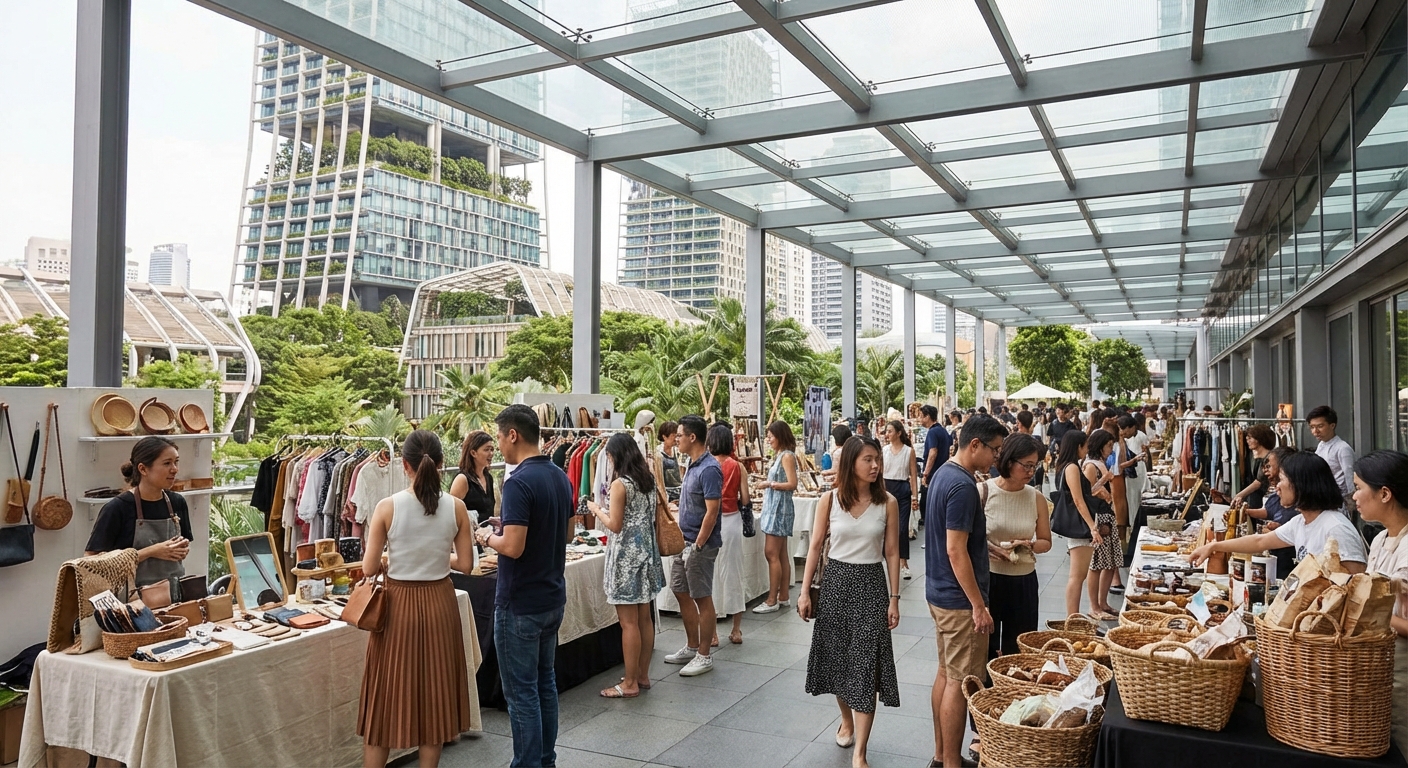
Weekend mornings at South Beach bring something special. The air fills with the scent of fresh coffee, handmade soaps, and street food. Locals and visitors gather around pop-up stalls, browsing handcrafted jewelry, vintage finds, and artisan goods you won’t see in regular malls.
South Beach markets weekend shopping offers a refreshing alternative to traditional retail. Weekend markets feature local artisans, vintage collectors, and food vendors from Friday evening through Sunday afternoon. Most stalls accept cash and digital payments. Arrive early for the best selection, bring reusable bags, and wear comfortable shoes. Markets typically run from 10am to 6pm on Saturdays and Sundays, with some Friday evening sessions from 5pm onwards.
What makes South Beach weekend markets different
Traditional malls offer predictability. Weekend markets bring surprise.
South Beach sits at the intersection of heritage and modern Singapore. The area’s weekend markets reflect this blend perfectly. You’ll find contemporary designers selling next to vintage collectors. Street food vendors set up alongside specialty coffee roasters.
The outdoor setting changes everything. Natural light shows colors accurately. You can touch fabrics, smell candles, and taste samples before buying. Vendors often make their products themselves and love talking about their craft.
Most importantly, the inventory changes constantly. What you see one weekend might be gone the next. This creates a sense of discovery that mall shopping rarely matches.
When to visit for the best experience
Timing matters more at markets than at air-conditioned malls.
Peak hours and crowd patterns:
- Saturday mornings (10am to 12pm) draw the biggest crowds
- Sunday afternoons see families and tourists
- Friday evenings offer cooler temperatures and smaller crowds
- Rainy season (November to January) may cause cancellations
Early arrival gives you first pick of limited items. Many vendors bring only small quantities of handmade goods. Popular items sell out by noon.
Late afternoon shopping has advantages too. Some vendors offer discounts as closing time approaches. You’ll negotiate better when stalls need to pack up inventory.
Check weather forecasts before heading out. Singapore’s tropical climate brings sudden downpours. Most markets have some covered areas, but not all stalls get protection.
Where the markets set up around South Beach
South Beach isn’t one location. It’s a district.
The main market area occupies the open plaza near Beach Road. This space hosts rotating weekend markets featuring different themes. One weekend might focus on vintage fashion. The next could highlight local food producers.
Smaller pop-up markets appear in surrounding streets. Nicoll Highway sometimes hosts specialty markets. The pedestrian areas near Bugis also see weekend vendor activity.
Market locations shift based on events and seasons. December brings holiday markets with extended hours. Chinese New Year sees special festive stalls. National Day weekend often features local maker markets.
Social media provides the most current information. Many market organizers post location updates on Instagram and Facebook a few days before each weekend.
What you’ll find at different vendor types
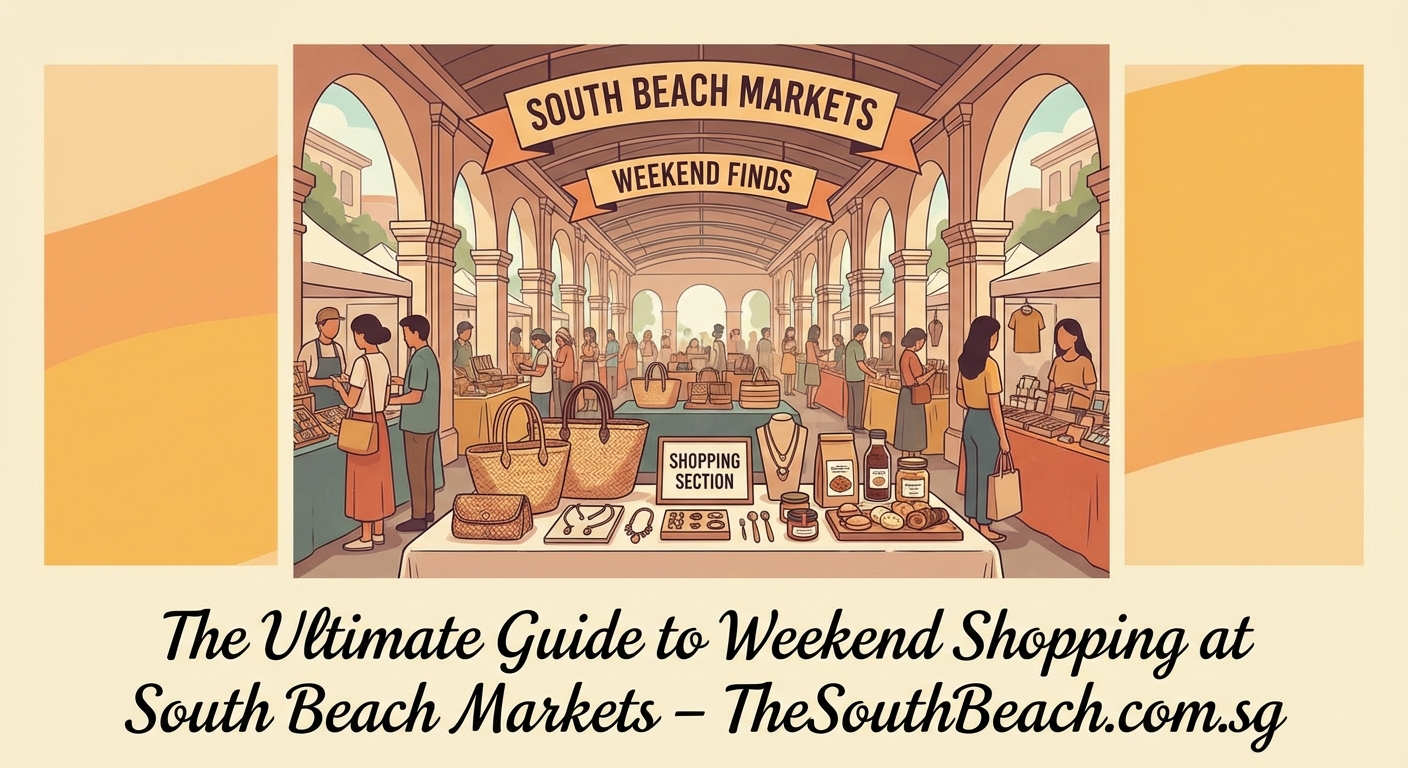
Each market brings different vendor mixes.
Common stall categories:
- Handmade jewelry and accessories
- Vintage clothing and collectibles
- Art prints and illustrations
- Handcrafted soaps and skincare
- Specialty coffee and tea
- Street food and baked goods
- Plants and terrariums
- Home decor and ceramics
Artisan vendors typically price items higher than mass-produced goods. You’re paying for craftsmanship, unique designs, and small-batch production. Many makers offer customization if you ask.
Vintage stalls vary wildly in quality and price. Some specialize in authenticated designer pieces. Others focus on affordable retro fashion. Inspect items carefully for condition issues.
Food vendors range from established brands testing new products to home bakers selling weekend batches. Quality usually stays high because reputation matters in the tight-knit vendor community.
How to shop smart at weekend markets
Market shopping requires different strategies than mall browsing.
Step-by-step approach:
- Walk the entire market before buying anything
- Note which stalls interest you most
- Return to top choices for closer inspection
- Ask vendors about their process and materials
- Negotiate politely if buying multiple items
- Get vendor contact information for future orders
This method prevents impulse purchases you’ll regret. It also helps you compare similar items across different stalls.
Bring cash even though many vendors accept PayNow or credit cards. Some small vendors operate cash-only. Having exact change speeds up transactions during busy periods.
Reusable bags save you from juggling multiple small bags. They also signal to vendors that you’re a regular market shopper, which sometimes leads to better conversations and deals.
“The best market shoppers build relationships with their favorite vendors. Come back a few weekends in a row, remember names, and you’ll often get first notice when new items arrive or special pieces become available.”
Payment methods and price expectations
Markets operate differently from fixed-price retail.
Most established vendors accept multiple payment methods. PayNow works almost universally. Many take credit cards through mobile readers. Cash still reigns for smaller transactions.
Prices at markets generally fall between mass-market and high-end retail. A handmade leather wallet might cost $40 to $80. Mass-produced versions sell for $20. Designer leather goods start at $200.
Negotiation customs vary by vendor and item type. Vintage sellers often expect some haggling. Artisans pricing handmade goods usually hold firm. Food vendors rarely negotiate.
When negotiating, be respectful. Ask if there’s flexibility rather than demanding discounts. Buying multiple items gives you more leverage. Bundle purchases from one vendor to justify a better price.
Food and drink options while shopping
Weekend market shopping builds an appetite.
Food stalls cluster in designated areas at most markets. Offerings change weekly but typically include:
- Specialty coffee and cold brew
- Fresh fruit juices and smoothies
- Artisan baked goods and pastries
- Asian street food favorites
- Gourmet sandwiches and wraps
- Ice cream and desserts
Many food vendors use markets to test recipes before opening permanent locations. You’re essentially getting previews of future restaurants.
Seating can be limited during peak hours. Some markets provide communal tables. Others expect you to stand or find nearby public seating.
Prices for market food run slightly higher than hawker centers but lower than cafe prices. A specialty coffee costs $6 to $8. A substantial meal ranges from $10 to $15.
Essential items to bring for comfort
Outdoor shopping in Singapore’s climate requires preparation.
Market shopping essentials:
- Reusable shopping bags or a backpack
- Umbrella for sun or sudden rain
- Portable phone charger
- Small bills and coins
- Refillable water bottle
- Sunglasses and hat
- Comfortable walking shoes
The concrete plaza areas retain heat. Even morning shopping can feel warm. Dress in light, breathable fabrics. Avoid new shoes that might cause blisters.
Phone batteries drain fast when you’re taking photos, checking vendor social media, and using payment apps. A portable charger keeps you connected throughout your visit.
Comparing market types and schedules
| Market Type | Typical Schedule | Best For | Average Prices |
|---|---|---|---|
| Artisan Markets | Sat-Sun 10am-6pm | Handmade goods, unique gifts | $15-$100 per item |
| Vintage Markets | Sat-Sun 11am-7pm | Clothing, collectibles, retro items | $10-$80 per piece |
| Food Markets | Fri 5pm-10pm, Sat-Sun 10am-6pm | Local snacks, specialty ingredients | $5-$20 per item |
| Maker Markets | Monthly Sundays 10am-5pm | Art, jewelry, home decor | $20-$150 per piece |
Schedule variations occur around public holidays and special events. Some markets take breaks during the hottest months or rainy season. Others operate year-round with weather contingencies.
Monthly maker markets feature higher-end vendors with more substantial inventory. Weekly markets lean toward accessible prices and variety. Both have value depending on what you’re seeking.
Common mistakes that waste time and money
New market shoppers often make predictable errors.
Buying the first item you like seems smart but limits options. That “perfect” vintage jacket at the first stall might have a better version three stalls down at a lower price.
Skipping cash causes problems. ATMs near popular markets often run out of cash by afternoon. Walking to find another ATM eats into shopping time.
Wearing uncomfortable shoes ruins the experience. Markets require standing and walking for extended periods. Blisters and sore feet cut visits short.
Forgetting to get vendor contact information means losing access to makers you love. Many vendors only do markets occasionally. Without their Instagram or phone number, you can’t find them again.
Not checking authenticity on vintage designer items leads to overpaying for fakes. Ask for proof of authenticity. Compare prices to known market values. When deals seem too good, they usually are.
Photography etiquette and social sharing
Markets make beautiful photo opportunities. Vendors have mixed feelings about cameras.
Always ask before photographing someone’s stall or products. Most vendors appreciate the exposure and will pose items nicely. Some protect their designs from copying and prefer no photos.
Taking photos of other shoppers without permission crosses boundaries. The crowded, casual atmosphere doesn’t make it acceptable.
When sharing market photos on social media, tag vendors when possible. This drives business to small makers who depend on word-of-mouth marketing. It also helps you remember where you found items.
Some markets have designated photo spots or backdrops. These areas welcome photography and often feature the market’s branding.
Seasonal variations and special events
Weekend markets shift character throughout the year.
December transforms markets into holiday shopping destinations. Vendors stock gift-focused items. Special holiday markets pop up with extended evening hours. Crowds increase significantly.
Chinese New Year brings festive markets with traditional goods, decorations, and special foods. These usually run for two weekends before the holiday.
Mid-year Great Singapore Sale periods sometimes include special market events. Vendors offer deeper discounts to compete with mall promotions.
Rainy season (November through January) creates unpredictable schedules. Some markets cancel individual weekends. Others move to covered locations. Check social media before heading out.
National Day weekend often features local maker markets celebrating Singapore designers and producers. These markets emphasize homegrown talent and typically draw patriotic crowds.
Building your weekend market routine
Regular market shopping becomes a lifestyle choice.
Start by visiting once or twice to get familiar with the layout, vendors, and rhythm. Note which stalls align with your interests and budget.
Follow your favorite vendors on social media. Many announce which markets they’ll attend each weekend. Some offer early access or special items to followers.
Build relationships with vendors you buy from repeatedly. Remember their names. Ask about their creative process. Share feedback on purchases. These connections often lead to custom orders or first access to new items.
Set a shopping budget before arriving. Markets make impulse buying easy. Deciding in advance how much you’ll spend prevents regret later.
Consider making market visits a social activity. Bring friends or family. Different perspectives help evaluate purchases. Sharing the experience makes it more memorable.
Making weekend markets part of your Singapore experience
South Beach markets offer something malls can’t replicate.
The combination of outdoor atmosphere, direct vendor interaction, and constantly changing inventory creates shopping as entertainment. You’re not just buying things. You’re meeting makers, tasting new foods, and seeing creativity in action.
For visitors, markets provide authentic local experiences beyond tourist attractions. You’ll shop alongside Singaporeans buying from their favorite vendors. Conversations with makers reveal insights about local culture and creative communities.
For residents, weekend markets break the routine of familiar retail spaces. They offer chances to support local businesses, find one-of-a-kind items, and spend weekend mornings in a social atmosphere.
The key is approaching markets with the right expectations. Don’t expect mall-level organization or predictability. Embrace the casual, discovery-oriented nature of market shopping. Let yourself wander without a strict agenda.
Bring comfortable shoes, an open mind, and enough time to browse properly. The best market finds often come when you’re not rushing to check items off a list. They appear when you’re relaxed enough to notice the unexpected.