 By eric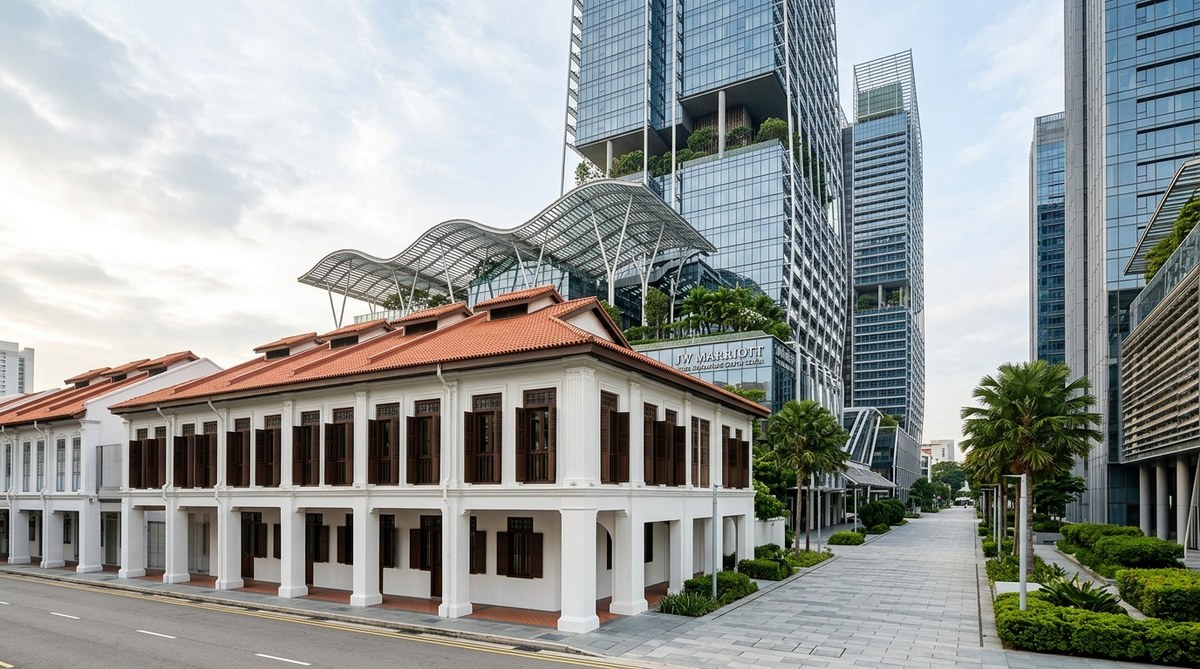
South Beach Singapore stands as a shining example of how architecture can tell stories of the past while embracing modernity. Its transformation over the years reflects Singapore’s dynamic growth and commitment to blending heritage with contemporary design. From its colonial roots to its futuristic skyline, South Beach’s architectural journey offers a captivating narrative for enthusiasts and travelers alike. This article dives into how the area’s architecture evolved, showcasing the techniques, visions, and moments that shaped this iconic locale.
The architectural evolution of South Beach Singapore highlights a seamless blend of heritage conservation and innovative modern design, creating a vibrant, iconic district that reflects Singapore’s forward-looking spirit while honoring its history.
Understanding the architectural journey of South Beach Singapore involves appreciating its layers of history, design philosophies, and the techniques used to balance the old with the new. Each phase of development demonstrates a thoughtful approach to preserving iconic structures while integrating cutting-edge architecture that meets today’s needs.
The roots of South Beach’s architectural identity
The story begins in the colonial era when South Beach was part of the Beach Road Camp, a military installation that reflected Singapore’s strategic importance during the British rule. These structures were built with materials and techniques suited for military purposes, featuring utilitarian design focused on durability and functionality. Recognizing their historical value, conservation efforts began to preserve these buildings, blending them into the modern landscape.
Colonial heritage buildings and their preservation
The colonial buildings, characterized by their neoclassical facades and robust construction, serve as a foundation for South Beach’s architectural identity. Techniques such as careful restoration and adaptive reuse have allowed these structures to remain relevant. For instance, some former military blocks have been reimagined as boutique hotels or cultural centers, maintaining their historical integrity while serving contemporary functions.
Key conservation techniques
| Technique | Purpose | Common Mistakes |
|---|---|---|
| Structural reinforcement | Ensures stability of old structures | Over-reinforcing can compromise aesthetics |
| Material matching | Maintains historical authenticity | Using incompatible materials causes deterioration |
| Adaptive reuse | Preserves character while updating functions | Overhauling without regard for original design |
| Restoration | Repairs damage while retaining original features | Excessive restoration can erase original details |
Expert architect Jane Lim notes, “Preserving heritage buildings requires a delicate balance. Respect for original materials combined with modern reinforcement techniques ensures longevity without sacrificing authenticity.”
The rise of modern architectural designs
As Singapore grew, so did the ambition to create a district that embodies innovation. Foster and Partners led the design of the South Beach development, integrating sleek, parametric facades with sustainable features. These towers are not just tall structures but statements of Singapore’s future, reflecting a philosophy that marries form with function.
Techniques used in contemporary architecture
- Parametric design: Creating adaptable, dynamic facades that change with light and weather.
- Climate-responsive architecture: Incorporating shading devices and natural ventilation to reduce energy consumption.
- Underground integration: Seamless connection with city infrastructure to promote walkability.
- Sky gardens and public spaces: Providing greenery at various levels, fostering community interaction.
Common pitfalls in modern development
| Technique | Mistake | Consequence |
|---|---|---|
| Overcomplex facades | Difficult maintenance | Increased costs and reduced longevity |
| Poor integration with surroundings | Disconnected urban fabric | Visual dissonance and underuse of public space |
| Ignoring climate considerations | High energy use | Increased operational costs |
The architectural evolution in action
South Beach’s transformation showcases a phased approach:
- Conservation and adaptive reuse: Restoring colonial structures for modern use.
- Innovative additions: Designing new towers with parametric facades that respond to environmental factors.
- Community spaces: Integrating public plazas and sky gardens to foster social interaction.
- Sustainable practices: Employing green roofs, natural ventilation, and energy-efficient systems.
Mistakes to avoid during such transformations
| Technique | Common Mistake | Impact |
|---|---|---|
| Rushing restoration | Overlooking detail | Loss of heritage value |
| Overengineering new structures | Excessive complexity | Maintenance difficulties |
| Ignoring context | Disconnected designs | Diminished urban harmony |
Architect Michael Tan emphasizes, “Successful architectural evolution respects the past while boldly embracing the future. The key lies in thoughtful design and meticulous execution.”
How the architectural evolution shapes today’s South Beach
Today, South Beach stands as a testament to the power of balanced design. Its buildings tell a story of heritage conservation, technological innovation, and environmental responsibility. Visitors can witness how historic military blocks now serve as cultural landmarks, while modern towers reach for the sky with sustainable, parametric facades. This layered approach makes South Beach a vibrant hub that attracts architecture buffs, history enthusiasts, and travelers alike.
Practical steps to appreciate its architecture
- Join guided tours that highlight conservation efforts and design techniques.
- Visit the Sky Garden for panoramic views and insights into sustainable urban design.
- Photograph the parametric facades during different times of day to see how light interacts with the structures.
- Read about the architects’ visions to deepen understanding of the design philosophies.
Tips for avoiding common errors
- Don’t overlook the importance of context when exploring architectural landmarks.
- Be mindful of maintenance needs if you plan to undertake similar projects.
- Respect the conservation efforts by following guidelines when photographing or visiting heritage sites.
South Beach’s architecture: a blueprint for the future
South Beach Singapore proves that architectural evolution can honor a location’s history while pushing boundaries into the future. Its layered approach demonstrates how techniques like adaptive reuse, climate-responsive design, and public space integration can create a thriving, sustainable district. For architecture enthusiasts, this site offers a living laboratory of design innovation rooted in respect for heritage.
Final thoughts on building with purpose
As you walk through South Beach, consider how each structure reflects a chapter of Singapore’s story. Its evolution reminds us that thoughtful architecture links the past with the future, enriching the cityscape and community. Whether you are an enthusiast, a traveler, or a student of design, observing this transformation offers valuable lessons in balancing preservation with innovation.
A living canvas of architectural storytelling
The evolution of South Beach Singapore showcases the beauty of respecting history while forging ahead with modern vision. Its layered buildings, innovative techniques, and community spaces make it a must-visit for anyone interested in how architecture shapes urban identity. Take the time to observe the details, ask questions, and appreciate the careful craftsmanship behind each structure.
Remember, architecture is more than just buildings. It’s a reflection of culture, progress, and imagination. Applying these principles in your own projects or visits can deepen your appreciation for the cities we live in and the stories they tell.
Keep questioning how designs can honor the past while embracing the future. The lessons from South Beach show that thoughtful architecture can stand the test of time, inspiring generations to come.