 By eric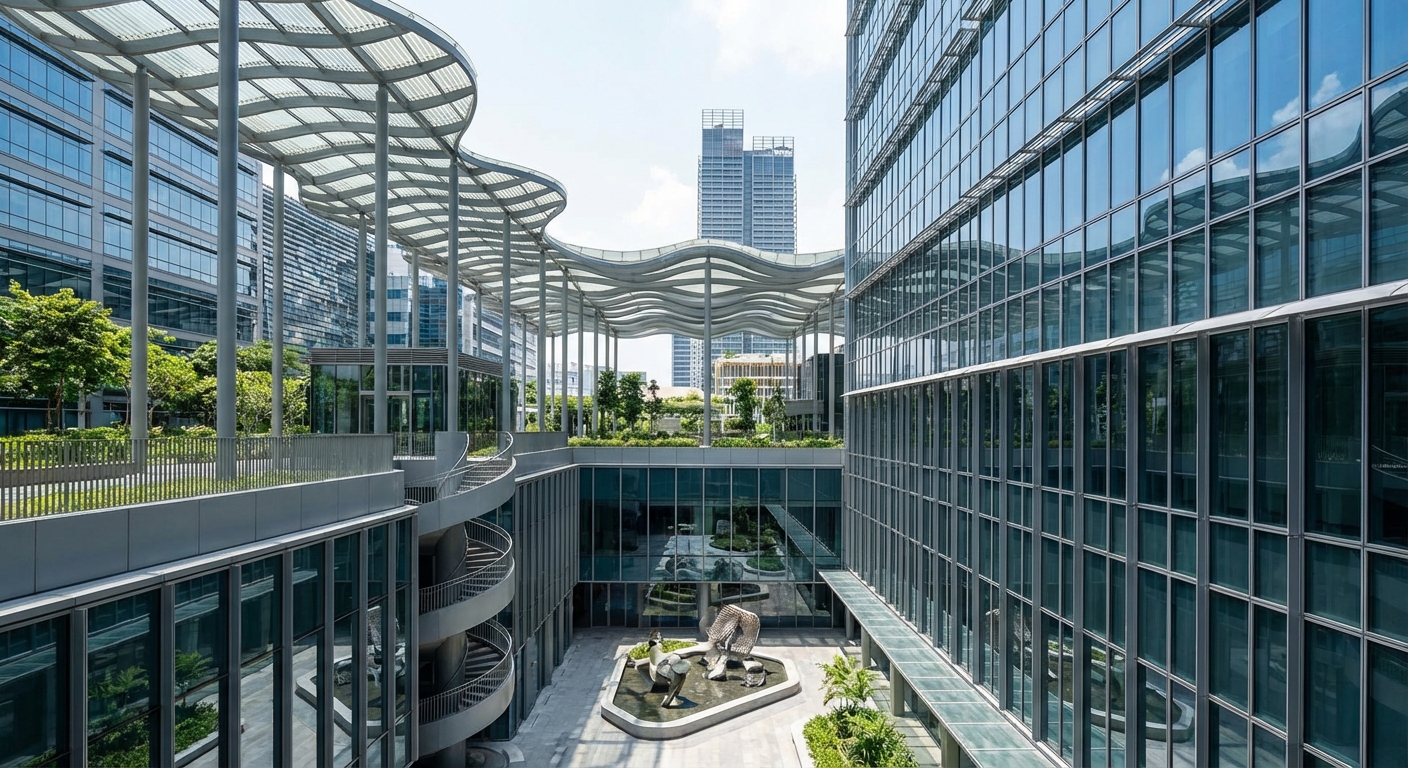
Walk through South Beach Singapore and you’ll notice something different. The buildings don’t just sit there. They breathe, shift, and respond to light in ways that make you stop and stare. This isn’t accidental. Every curve, every facade, every open space was designed with intention by some of the world’s most respected architects.
South Beach Singapore architecture blends heritage conservation with contemporary design through innovative climate-responsive facades, adaptive reuse of colonial buildings, and sustainable features. The development showcases how modern architecture can honor history while creating functional urban spaces. Visitors can experience seven distinct architectural elements that make this precinct a global design reference.
The Parametric Facade That Changes Throughout the Day
The most striking feature of South Beach Singapore architecture is the parametric facade wrapping around the towers. This isn’t wallpaper. It’s a climate control system disguised as art.
Foster + Partners designed over 16,000 individual aluminum panels that angle differently based on sun exposure. Each panel was calculated to block direct sunlight while allowing natural light to filter through. The result? Buildings that stay cooler without excessive air conditioning.
Stand at different times of day and the facade looks completely different. Morning light creates sharp shadows. Afternoon sun makes the whole structure glow. Evening brings out the geometric patterns in ways that photographers love.
The panels aren’t just pretty. They reduce solar heat gain by up to 70%. That’s massive in Singapore’s tropical climate. The design proves that sustainable architecture doesn’t have to look like a science experiment.
If you’re planning to capture this, the best Instagram-worthy spots in South Beach Singapore offer multiple angles throughout the day.
Heritage Buildings Reimagined for Modern Use
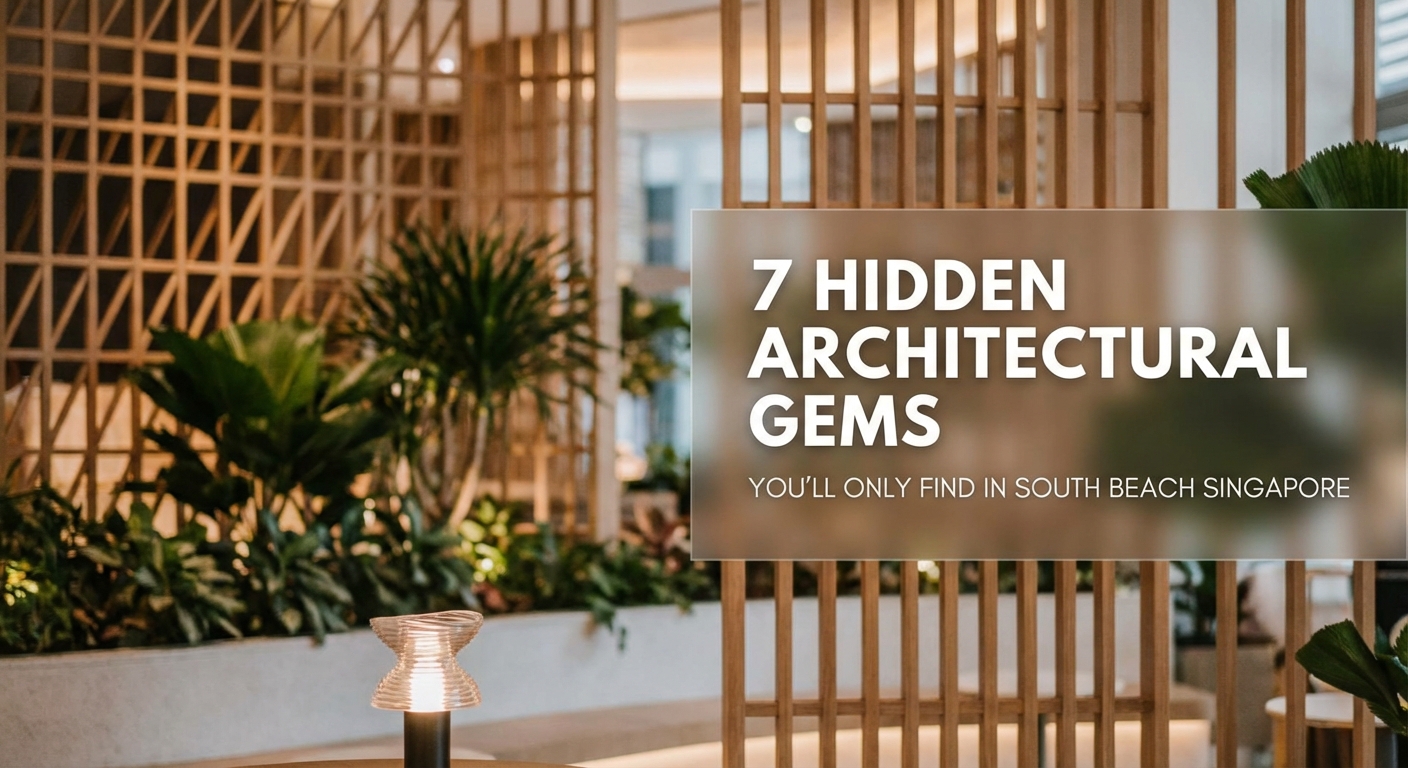
South Beach didn’t bulldoze history. It wrapped new architecture around it.
Three colonial-era buildings anchor the development:
- The former South Beach Police Station
- The Old Beach Road Police Station
- The Traffic Police Headquarters
These structures date back to the 1930s and 1940s. Instead of demolition, the architects integrated them into the new complex. The old police stations now house restaurants, retail spaces, and cultural venues.
Walk through the ground level and you’ll move between old and new seamlessly. Original Art Deco details sit next to contemporary glass atriums. The contrast isn’t jarring. It feels natural.
This adaptive reuse approach preserves Singapore’s architectural heritage while making it accessible. You can eat lunch in a building that once processed traffic violations. That’s the kind of transformation that makes urban renewal work.
The Sky Garden Connection Between Towers
Most mixed-use developments connect buildings at ground level. South Beach Singapore architecture goes vertical.
A 45-meter-high sky garden bridges the residential and hotel towers. This isn’t a simple walkway. It’s a landscaped public space suspended in the air.
The garden features:
- Native tropical plants that thrive at height
- Shaded seating areas with city views
- Natural ventilation that eliminates the need for air conditioning
- Direct access to both towers
The engineering behind this is remarkable. The structure had to support soil, water systems, and constant foot traffic while maintaining flexibility for tower movement. Singapore’s humidity and wind patterns added extra complexity.
For visitors, the sky garden offers a unique perspective on the precinct. You’re not just looking at South Beach Singapore architecture. You’re standing inside it.
Climate-Responsive Design That Actually Works
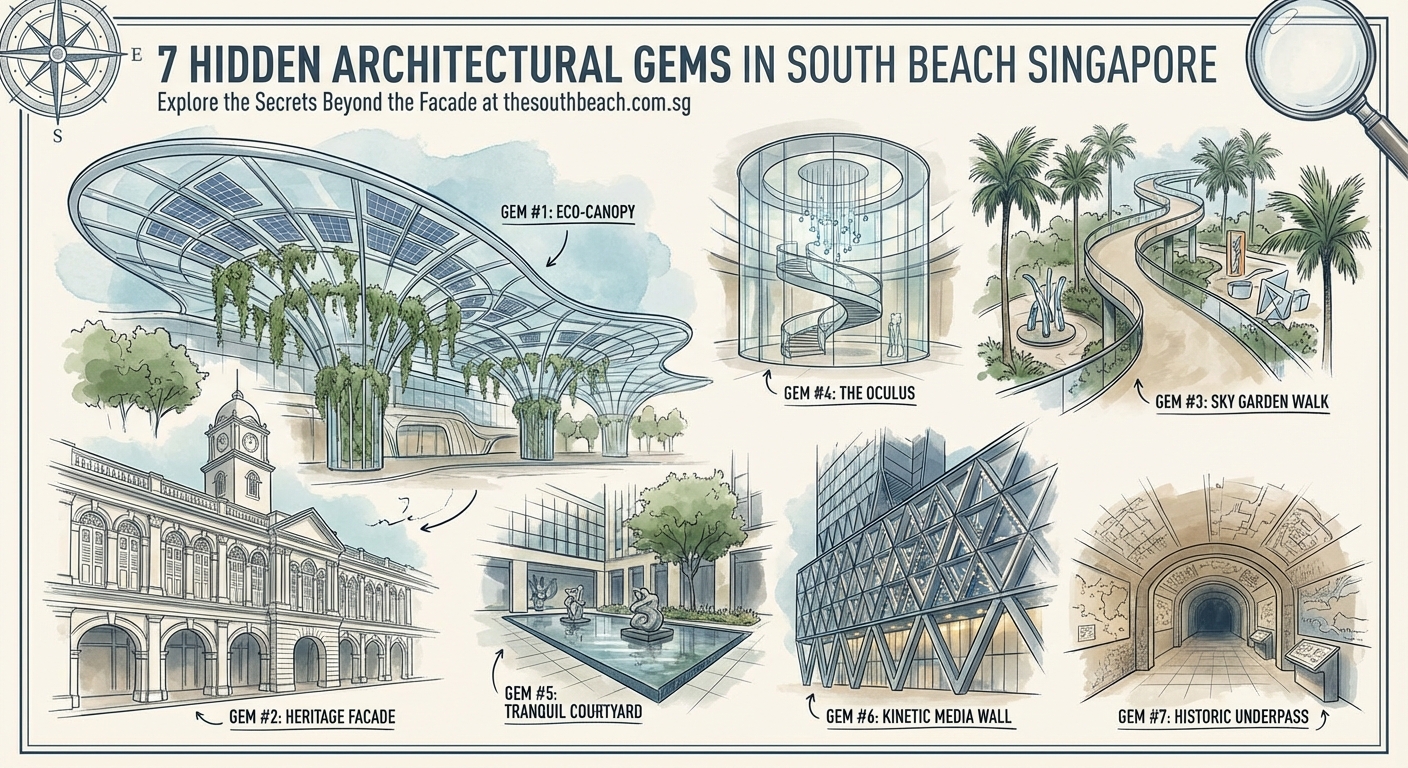
Tropical architecture faces a constant challenge. How do you keep buildings cool without turning them into energy-draining refrigerators?
South Beach Singapore architecture answers this through layered climate control:
The parametric facade forms the first barrier. It blocks direct sun while allowing breezes through. The second layer uses strategically placed openings that create natural airflow. The third layer incorporates green walls and landscaping that cool the air before it enters buildings.
“The best sustainable design is invisible to users. They just know the space feels comfortable without understanding why. That’s what we achieved at South Beach.” — Foster + Partners design team
The results speak clearly. Energy consumption runs 30% below comparable developments. Indoor spaces stay comfortable with minimal mechanical cooling. Outdoor areas remain usable even during midday heat.
This isn’t theoretical green design. It’s practical architecture that performs in real conditions.
The Public Plaza That Connects Everything
Great architecture creates great public spaces. South Beach proves this with its central plaza.
The plaza sits at ground level, connecting Beach Road to Nicoll Highway. It’s not just a walkway. It’s a destination that brings together multiple functions:
| Feature | Design Purpose | User Benefit |
|---|---|---|
| Open-air layout | Natural ventilation | Comfortable year-round |
| Multiple entry points | Pedestrian flow | Easy navigation |
| Flexible event space | Community activation | Regular programming |
| Retail integration | Commercial viability | Dining and shopping access |
| Shaded areas | Heat mitigation | Extended dwell time |
The plaza hosts everything from art installations to food festivals. The flexible design accommodates different uses without requiring major setup changes.
What makes it work architecturally is the scale. The space feels generous without being empty. Trees and landscaping break up sight lines. Building facades provide visual interest from every angle.
When you’re spending a perfect afternoon at South Beach, the plaza becomes your natural gathering point.
Underground Integration With City Infrastructure
The most impressive South Beach Singapore architecture sits below ground.
The development connects directly to multiple MRT stations through an extensive underground network. This isn’t just a tunnel. It’s a fully designed pedestrian environment with natural light, retail, and wayfinding that actually makes sense.
The underground passages solve a major urban challenge. Singapore’s tropical rain can make surface walking uncomfortable. The subsurface network lets people move between transit, offices, hotels, and retail without ever going outside.
The architectural achievement here is making underground spaces feel open. Skylights bring natural light down three levels. Ceiling heights stay generous. Materials and colors prevent the claustrophobic feeling common in subway passages.
This infrastructure also includes parking, loading docks, and service areas. All the messy necessities of urban life get tucked away, leaving the surface level for people.
Residential Towers That Maximize Views and Privacy
The residential component of South Beach Singapore architecture demonstrates sophisticated high-rise design.
Each apartment unit features floor-to-ceiling windows that frame specific views. The parametric facade doesn’t just shade. It creates privacy between units while maintaining sight lines to the city and harbor.
Unit layouts maximize cross-ventilation. Most apartments can function with natural airflow for significant portions of the year. This reduces energy costs and improves livability.
The tower positioning creates interesting architectural relationships. Units look out over the heritage buildings below. The sky garden provides an elevated outdoor amenity that traditional balconies can’t match.
For residents, the architecture isn’t just about aesthetics. It’s about daily comfort and functionality that improves over time.
The luxury hotels in South Beach Singapore that redefine waterfront living share similar design principles with the residential towers.
How to Experience the Architecture Yourself
Appreciating South Beach Singapore architecture requires more than a passing glance. Here’s how to see the details:
- Start at the Beach Road entrance during morning hours when light hits the parametric facade at optimal angles.
- Walk through the heritage buildings to understand the scale of adaptive reuse.
- Take the elevator to the sky garden for the elevated perspective.
- Return to ground level and spend time in the plaza observing how people use the space.
- Visit during evening hours to see how artificial lighting transforms the facades.
The architecture reveals itself differently depending on weather, time of day, and season. Rain brings out the drainage systems and water features. Wind makes the facade panels more visible as they channel airflow.
Bring a camera, but also spend time just sitting and observing. The best architectural details emerge when you’re not rushing through.
Common Misconceptions About Modern Tropical Architecture
Many people misunderstand what makes South Beach Singapore architecture significant. Let’s clear up the confusion:
Misconception: Glass buildings can’t work in tropical climates.
Reality: Proper shading and ventilation make glass facades highly functional. The parametric screen proves this.
Misconception: Heritage preservation means freezing buildings in time.
Reality: Adaptive reuse gives old structures new relevance while respecting their history.
Misconception: Sustainable design sacrifices aesthetics.
Reality: The most beautiful elements of South Beach are also its most sustainable features.
Misconception: Large developments destroy neighborhood character.
Reality: Thoughtful integration can enhance urban fabric while adding density.
Understanding these distinctions helps you appreciate what the architects accomplished. This isn’t just another shiny building. It’s a carefully considered response to specific urban and environmental challenges.
Why This Architecture Matters Beyond Singapore
South Beach Singapore architecture influences global design conversations. Architects and developers study this project for lessons applicable to other tropical cities.
The parametric facade approach has been adapted in projects across Southeast Asia, the Middle East, and Latin America. The integration of heritage buildings with new construction provides a model for cities balancing growth with preservation.
The climate-responsive strategies demonstrate that sustainable design can be commercially viable. Developers see that green features attract tenants and command premium rates.
For visitors, this means you’re not just seeing a local landmark. You’re experiencing architecture that shapes how cities worldwide approach tropical design.
The influence extends to smaller details too. The wayfinding systems, public space design, and underground integration all offer replicable solutions.
Architecture That Invites You to Return
South Beach Singapore architecture rewards repeated visits. Each time you return, you’ll notice something new.
Maybe it’s how the facade panels catch afternoon light differently in December than June. Or how the plaza feels during a sudden rain shower. Or the way the heritage buildings look from the sky garden at sunset.
This is architecture designed for discovery. Not everything reveals itself immediately. Some details take years to fully appreciate.
Whether you’re an architecture student, a tourist with a camera, or a local looking for where to find the best rooftop bars near South Beach for sunset drinks, the built environment here offers layers of experience.
The buildings don’t demand attention. They earn it through thoughtful design that improves daily life for everyone who passes through. That’s the real measure of great architecture.