 By eric
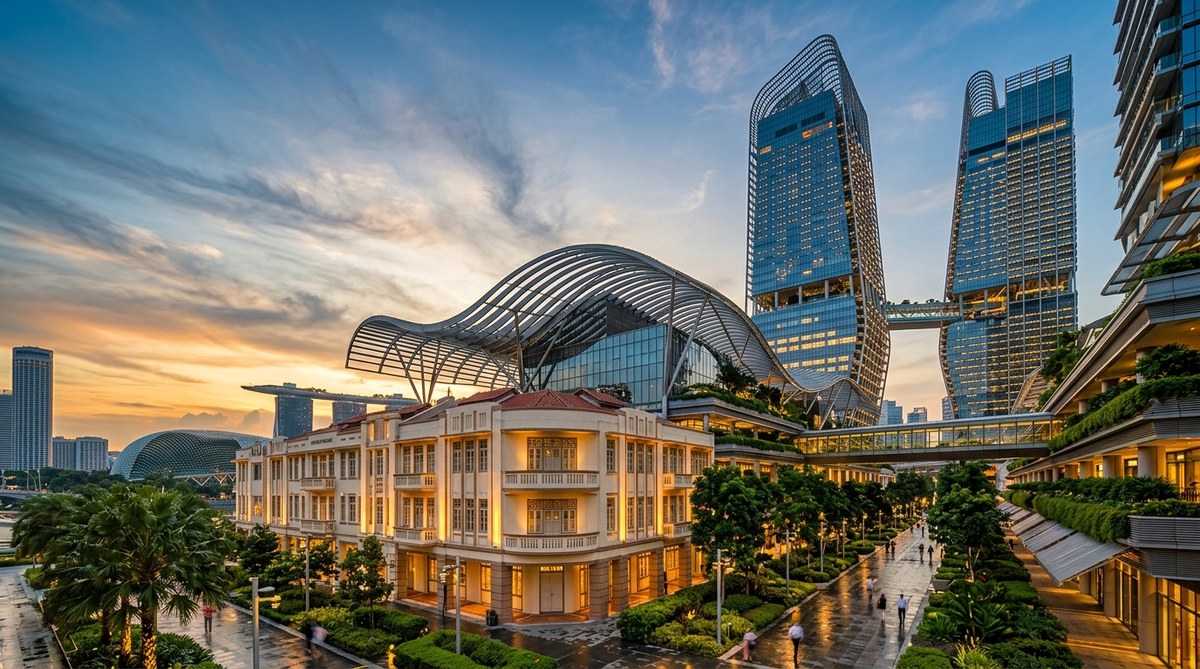
The pastel pinks and mint greens of Ocean Drive glow in the morning light. You stand on the sidewalk, phone in hand, trying to spot the difference between a Streamline Moderne curve and a Tropical Deco fin. A few blocks away, a glass condo tower reflects the sky like a mirror. This is the magic of Miami Beach. It is a place where the 1930s and the 2030s exist in the same frame. A self-guided Miami Beach Art Deco walking tour is the best way to see this contrast for yourself.
This self-guided Miami Beach Art Deco walking tour connects the historic Art Deco District with the futuristic skyline of South Beach. You will learn to spot key design features like neon accents, eyebrow windows, and zigzag motifs. The route takes about two hours and includes the best photo spots, a stop at a preserved hotel lobby, and a view of the modern towers that now frame the old quarter.
Why South Beach Feels Like Two Different Cities
Miami Beach is not a museum. It is a living neighborhood where buildings from the 1920s sit next to glass towers from 2025. The Art Deco District, listed on the National Register of Historic Places, contains more than 800 preserved structures. Most of them were built between 1923 and 1943. The style is called Tropical Deco. It takes the sharp geometry of classic Art Deco and softens it with pastel colors, nautical details, and shapes inspired by palm trees and ocean waves.
Walk two blocks west, and you see the new skyline. Condos with curved balconies, LED lighting, and zero lot lines. These buildings borrow the same streamlined language. They just use steel and glass instead of stucco and terrazzo.
This walking tour shows you both sides. You will start on Ocean Drive, where the hotels look like wedding cakes, and end at a viewpoint where the old and new touch the same horizon.
Your Self-Guided Miami Beach Art Deco Walking Tour
The route is about 1.5 miles. Plan for two hours if you stop for photos. Add another hour if you want to step inside a hotel lobby or grab a coffee. Start early in the morning to avoid the heat and the crowds.
1. Start at the Welcome Center (1001 Ocean Drive)
The Art Deco Welcome Center sits inside the old Oceanfront Auditorium. Pick up a map if you want one, but the route is easy to follow without it. Stand on the sidewalk and look south down Ocean Drive. You see a row of hotels that look like they belong on a movie set. That is because they do. The buildings here have appeared in “Scarface,” “The Birdcage,” and “Miami Vice.”
Look for three details on every building:
- Eyebrow windows. These are small, shaded windows that stick out from the facade. They keep the sun out and the cool air in.
- Porthole windows. Round windows that look like ship portholes. A nod to Miami’s nautical history.
- Neon signs. The hotels light up at night, but you can see the sign frames during the day. Look for the classic cursive letters of the Carlyle and the Breakwater.
2. Walk South to 12th Street (The Pastel Row)
From the Welcome Center, walk south on Ocean Drive to 12th Street. This block contains the most photographed hotels in the district. The Colony Hotel at 736 Ocean Drive is the one with the famous neon sign that says “The Colony.” The building is painted pale lavender and white. The sign says “Hotel” in script, but locals just call it the Colony.
Across the street, the Breakwater Hotel at 940 Ocean Drive has a bright green and white facade. Look for the zigzag lines above the entrance. That is a classic Art Deco motif. The architects used these lines to suggest speed and movement. In the 1930s, that meant the speed of a train or a ocean liner. Today, it feels like the speed of the city itself.
Here is a quick reference for spotting different Deco styles on this walk:
| Style | Key Features | Example Building |
|---|---|---|
| Streamline Moderne | Curved corners, horizontal lines, glass block windows | The Tides Hotel (1220 Ocean Drive) |
| Tropical Deco | Palm motifs, flamingos, pastel colors | The Carlyle Hotel (1250 Ocean Drive) |
| Classical Deco | Zigzags, chevrons, symmetrical facades | The Essex House (1001 Collins Avenue) |
| Nautical Deco | Portholes, ship railings, rope details | The Breakwater Hotel (940 Ocean Drive) |
3. Turn onto Collins Avenue (The Quiet Corridor)
At 12th Street, turn west and walk one block to Collins Avenue. The noise of Ocean Drive fades. Collins Avenue has a different rhythm. The buildings are taller here, and the street is shaded by palm trees. This is where you see the “MiMo” style. Miami Modern. These buildings were built in the 1950s and 1960s, after Art Deco fell out of fashion.
The National Hotel at 1677 Collins Avenue is a must-see. It opened in 1940 and has been preserved almost perfectly. The lobby features a terrazzo floor with a geometric star pattern. The pool area has a curved bar that looks like the deck of a ship. You can walk into the lobby without being a guest. Just act like you belong.
Local tip: The National Hotel’s pool bar is open to the public. Order a cafecito and sit by the water. The building behind you is a time capsule of 1940s design.
4. Walk to Lincoln Road (The Futurist Contrast)
From the National Hotel, continue west on 17th Street to Lincoln Road. This pedestrian mall is where the old meets the new. The buildings on Lincoln Road were originally designed by Morris Lapidus, the architect who invented the “Miami Modern” look. His buildings have swooping curves, floating staircases, and lots of glass.
In 2024, the city added new public art and lighting to Lincoln Road. The result is a street that feels both retro and futuristic. Look up at the facades. You will see original 1950s neon signs next to digital screens. The old Lincoln Theatre, now a restaurant, has a classic marquee that still works.
5. End at South Pointe Park (The Skyline View)
Walk south on Washington Avenue to South Pointe Park. This is the southern tip of Miami Beach. The park has a long pier that extends into the ocean. Turn around and look back at the city.
You see the full contrast. The low pastel hotels of Ocean Drive sit in front. Behind them, the glass towers of South Beach rise like crystals. The new buildings use the same design principles as the old ones. They have curved corners. They use horizontal lines. They reflect light instead of absorbing it. The difference is the material. Stucco and neon became glass and LED.
This view is the whole point of the tour. The Art Deco style did not die. It evolved. The architects who design Miami Beach today are still using the same playbook. They just updated the tools.
What to Look For: A Design Spotter’s Guide
If you want to sound like a local, learn these five terms. You will see them on almost every building in the district.
- Terrazzo flooring. A mix of marble chips and concrete, polished to a shine. Look for geometric patterns in hotel lobbies.
- Glass block windows. Square glass bricks that let in light but not heat. Common on Streamline Moderne buildings.
- Eyebrow overhangs. A horizontal shade that sticks out above a window. It looks like an eyebrow.
- Zigzag molding. A decorative line that goes back and forth like a lightning bolt. Pure Art Deco.
- Porthole windows. Round windows, usually in pairs. They make the building look like a ship.
How to Take Better Photos of Art Deco Buildings
The best time for photos is the golden hour, about one hour after sunrise or one hour before sunset. The light is warm, and the shadows are long. The pastel colors of the hotels pop against the blue sky.
Here are three rules for shooting architecture on this tour:
- Shoot straight on. Stand directly in front of the building. Line up the vertical lines of the facade with the edges of your frame. This makes the building look symmetrical and strong.
- Include the sky. Tilt your camera up so the sky fills the top third of the image. The blue contrasts with the pastel colors.
- Wait for the light. If a cloud covers the sun, wait. The colors look flat in shade. You want direct sunlight on the facade.
Bring a wide-angle lens if you have one. A phone camera works fine, but step back as far as you can to fit the whole building in the frame.
A Quick Table of Common Mistakes and Fixes
| Mistake | Why It Happens | How to Fix It |
|---|---|---|
| Photos look washed out | Shooting in midday sun | Go early morning or late afternoon |
| Buildings look crooked | Standing too close | Move across the street |
| Colors look dull | Cloud cover or wrong angle | Wait for direct sunlight |
| Crowds in the frame | Walking during peak hours | Start before 9:00 AM |
| Missing the details | Walking too fast | Stop at every hotel entrance |
Why This Walk Matters for Design Lovers
Miami Beach is one of the few places in the United States where you can see a complete design movement from birth to revival. The Art Deco hotels were built during the Great Depression. They were cheap to construct and meant to attract tourists with their cheerful colors. By the 1970s, they were considered outdated and ugly. Developers wanted to tear them down.
A group of preservationists saved them. They formed the Miami Design Preservation League in 1976. By 1979, the district was on the National Register. Today, those same hotels are worth millions. They are also being copied by new buildings. The glass tower at 1000 South Beach has the same curved corners and horizontal lines as the Breakwater Hotel. The language is the same. The century is different.
This walking tour is not just about looking at old buildings. It is about seeing how design repeats itself. The past and the future share the same skyline.
Your Next Steps for Planning the Tour
Before you go, check the weather. Miami Beach gets rain almost every afternoon in the summer. Go in the morning. Wear comfortable shoes. The sidewalks are flat, but you will be standing and looking up a lot.
Bring water. Bring sunscreen. Bring a hat. The sun is strong even in winter.
If you want a guided experience, the Art Deco Welcome Center offers tours every Thursday through Sunday. But the self-guided route is better if you want to move at your own pace. You can stop at a cafe. You can step into a lobby. You can take twenty photos of one door.
How This Tour Connects to Other Design Walks
If you enjoy this style of walking tour, you might like similar routes in other cities. The architecture of South Beach Singapore follows a different tradition, blending colonial heritage with modern glass. You can read more about that in our guide to how South Beach Tower became Singapore’s most photographed building. For a deeper look at how old and new coexist, check out what makes South Beach’s architecture different from the rest of Singapore.
The Art Deco Walking Tour Is Just the Beginning
You have seen the pastel hotels. You have spotted the zigzag lines. You have stood at South Pointe Park and watched the glass towers glow in the sunset. The tour is over, but the habit is just starting. Now you will notice the same design patterns everywhere. The curve of a bus shelter. The neon sign at a diner. The porthole window on a new apartment building.
That is the gift of a good walking tour. It teaches you to see. Next time you are in a new city, try the same thing. Find the old neighborhood. Look for the details. See how the past shows up in the present. Miami Beach is a perfect place to start because the contrast is so clear. The Art Deco and the futurism are not enemies. They are family. And now you know how to spot the resemblance.