 By eric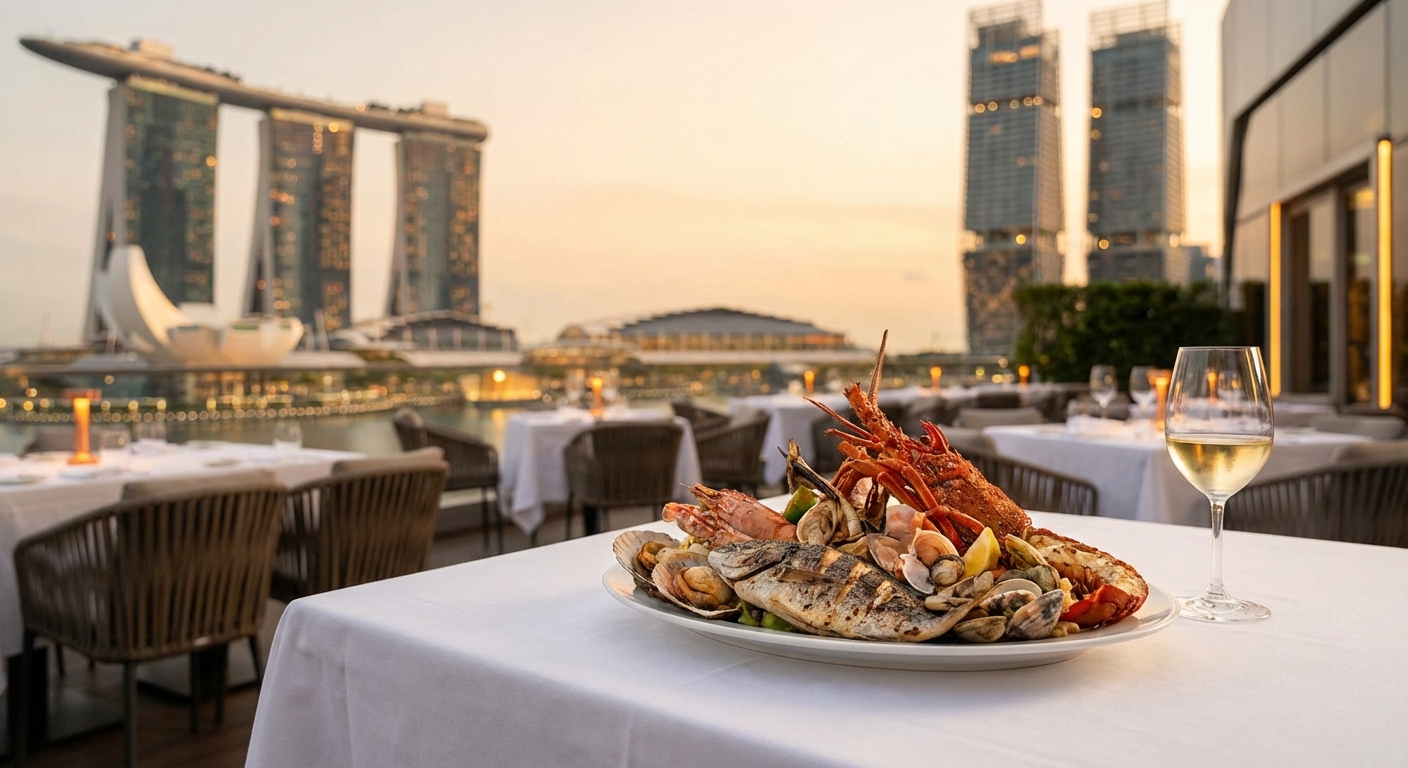
South Beach in Singapore sits right where the city meets the sea, making it a natural home for some of the finest seafood restaurants in the area. Whether you’re staying nearby or just passing through, the dining scene here offers everything from casual hawker style prawns to upscale ocean to table experiences.
South Beach Singapore hosts diverse seafood restaurants catering to every taste and budget. From chili crab specialists to Mediterranean grilled fish, you’ll find fresh catches prepared by skilled chefs. Most venues sit within a 10 minute walk of South Beach Tower, making dinner plans convenient for visitors and locals alike. Reservations help during weekends and holidays.
What makes South Beach a seafood destination
The Beach Road and Nicoll Highway area has always drawn seafood lovers. Proximity to the Marina Bay waterfront means restaurants can source catches quickly. Many establishments have been serving the neighborhood for decades, building reputations on consistent quality and fair pricing.
You’ll notice the variety immediately. Chinese style zi char stalls sit blocks away from Japanese sushi counters. European bistros serve grilled branzino while Thai restaurants plate up tom yum goong. This mix reflects Singapore’s multicultural food culture, all concentrated in a walkable district.
Tourists staying at South Beach hotels appreciate having dinner options steps away. Locals from other neighborhoods make the trip specifically for certain dishes. The area never feels too crowded or too quiet, striking a balance that works year round.
Top picks for different seafood styles
Chinese seafood restaurants
Several establishments specialize in Cantonese and Teochew preparations. Steamed fish with soy sauce, ginger and scallions remains a staple. Chili crab and black pepper crab draw crowds, especially during the June to September season when Sri Lankan crabs are plentiful.
Look for restaurants with live tanks near the entrance. This signals freshness and lets you pick your own fish or shellfish. Staff will weigh your selection and suggest cooking methods. Prices fluctuate with market rates, so ask before ordering if you’re watching your budget.
Zi char spots offer more casual vibes. Order multiple dishes to share family style. Sambal stingray, salted egg prawns, and cereal butter squid all pair well with rice or mantou buns. These places fill up fast between 6pm and 8pm, so arrive early or late.
Japanese and sushi focused venues
South Beach has several Japanese restaurants emphasizing raw fish quality. Sushi counters showcase daily catches flown in from Tsukiji market or local waters. Omakase menus let chefs decide your courses based on what’s freshest that day.
Donburi bowls topped with salmon, tuna, or uni provide satisfying meals at lower price points. Grilled options like miso cod or teriyaki yellowtail appeal to those who prefer cooked fish. Sake and Japanese whisky selections complement the food well.
Lunch sets offer good value. You’ll get miso soup, salad, rice, and a main protein for reasonable rates. Dinner service tends to be pricier but portions are generous. Reservations matter here, especially for counter seats where you can watch chefs work.
Western and Mediterranean seafood
Bistros and brasseries around South Beach serve European style seafood. Grilled fish with lemon butter, bouillabaisse, and seafood pasta dominate menus. Ingredients lean toward Mediterranean species like sea bass, octopus, and mussels.
These restaurants often have wine lists featuring French, Italian, and Spanish bottles. Staff can suggest pairings for your meal. The atmosphere skews more formal than Asian spots, with tablecloths and mood lighting.
Outdoor seating appears at some locations. Evening breezes make al fresco dining pleasant most nights. Brunch menus on weekends include oysters, smoked salmon, and seafood benedicts. Prices sit at the higher end compared to hawker centers, but service and ambiance justify the cost for special occasions.
Southeast Asian seafood specialists
Thai, Vietnamese, and Malaysian restaurants bring regional flavors to seafood preparations. Tom yum soup with prawns delivers that signature sour and spicy kick. Vietnamese grilled fish wrapped in rice paper with herbs offers a lighter option. Malaysian sambal belacan adds fiery complexity to stir fried clams.
These venues capture the bold seasonings that define Southeast Asian cooking. Lemongrass, galangal, kaffir lime, and fish sauce all make appearances. Portion sizes tend to be generous, making them good for group dining.
Many of these spots have lunch specials that include soup, rice, and a seafood dish for under $15. Dinner gets busier, but turnover is usually fast. The casual settings work well for families with kids who might not sit still through a long meal.
How to choose the right restaurant for your needs
Picking where to eat depends on several factors. Budget matters most for many diners. Hawker centers and zi char stalls keep costs low while still delivering tasty food. Mid range restaurants balance quality and price. High end establishments charge premium rates but provide refined experiences.
Group size affects your options too. Large parties need restaurants that can accommodate them, preferably with round tables for sharing. Solo diners or couples have more flexibility and can snag bar seats or small tables even during busy periods.
Dietary restrictions require advance research. Some places can modify dishes for allergies or preferences, while others have fixed preparations. Calling ahead saves disappointment when you arrive hungry.
When choosing a seafood restaurant, ask locals or hotel concierges for current recommendations. Restaurant quality can shift when chefs change or ownership transfers. Recent reviews give you the most accurate picture of what to expect right now.
Planning your seafood meal
Timing your visit makes a difference. Weekday lunches are usually quieter and sometimes cheaper. Friday and Saturday dinners get packed, especially at popular spots. Public holidays like Chinese New Year or Christmas see even heavier traffic.
Reservations solve most timing issues. Call or book online a few days ahead for weekend dinners. Some high demand restaurants require a week or more notice. Walk ins work better at casual venues or during off peak hours.
Dress codes vary. Hawker centers and zi char places have no requirements beyond basic decency. Upscale restaurants might prefer smart casual attire, though Singapore’s climate keeps things relatively relaxed compared to colder countries.
Common mistakes to avoid
| Mistake | Why it happens | Better approach |
|---|---|---|
| Ordering too much food | Excitement over menu variety | Start with fewer dishes, order more if needed |
| Skipping reservations | Assuming walk ins work everywhere | Book ahead for popular restaurants |
| Ignoring seasonal availability | Not checking what’s in season | Ask servers about current catches |
| Forgetting about spice levels | Underestimating Southeast Asian heat | Request mild versions first |
| Overlooking lunch specials | Only thinking about dinner | Check midday menus for value |
What to order at different price points
Budget conscious diners should focus on hawker centers and food courts. A plate of fried hokkien mee with prawns and squid costs around $5 to $7. Sambal stingray runs $8 to $12 depending on size. Fish soup noodles provide protein and carbs for under $6.
Mid range restaurants charge $15 to $40 per person for a satisfying meal. Steamed fish for two people typically costs $30 to $50 based on market price and species. Add a vegetable dish and rice, and you’re set. Chili crab runs higher, often $50 to $80 per kilogram.
High end dining starts around $80 per person and can exceed $200 for omakase or tasting menus. These experiences include multiple courses, premium ingredients, and attentive service. Wine pairings add another $50 to $150 depending on selections.
Practical tips for first time visitors
- Bring cash for hawker centers and smaller restaurants, as some don’t accept cards.
- Learn basic ordering phrases in Mandarin or Malay if you’re visiting local spots without English menus.
- Share dishes family style to try more variety and control portions.
- Ask about cooking methods if you have preferences for steamed versus fried preparations.
- Save room for dessert at nearby cafes or ice cream shops after your meal.
Transportation to South Beach is straightforward. The Nicoll Highway MRT station on the Circle Line puts you within walking distance of most restaurants. Buses 80, 133, and 960 also serve the area. Taxis and ride shares drop you right at your destination if you prefer door to door service.
Parking exists but fills up during peak hours. The South Beach development has a car park, though rates can add up for longer stays. Street parking along Beach Road and Nicoll Highway offers alternatives with hourly rates.
Pairing your meal with the right setting
Waterfront restaurants provide views of Marina Bay and the city skyline. Sunset dinners offer particularly nice lighting for photos. Indoor venues with air conditioning suit Singapore’s hot and humid climate better during midday.
Some restaurants have private rooms for business dinners or celebrations. These spaces accommodate 8 to 20 people typically and may require minimum spending. The privacy lets groups talk freely without disturbing other diners.
Bar seating at sushi counters or oyster bars creates a more interactive experience. You can chat with chefs, watch preparations, and get recommendations based on your tastes. Solo diners often prefer these spots over sitting alone at a table.
Understanding menu terminology
Chinese menus might list cooking methods like “steamed with superior soy sauce” or “wok fried with XO sauce.” Superior soy refers to a lighter, slightly sweet soy sauce. XO sauce contains dried seafood, chili, and garlic for a savory umami punch.
Japanese menus use terms like sashimi for raw fish slices, nigiri for fish over rice, and maki for rolls. Omakase means “chef’s choice,” letting the kitchen decide your courses. Tataki refers to lightly seared fish, still raw in the middle.
Western menus describe preparations like “pan seared,” “grilled,” or “poached.” Accompaniments often include “lemon butter sauce,” “herb crust,” or “garlic aioli.” These descriptions help you picture the finished dish.
Seasonal considerations for seafood
Singapore’s tropical location means year round seafood availability, but certain species peak at specific times. Chili crab season runs strongest from June through September when Sri Lankan crabs are largest and most plentiful. Prices drop slightly during these months due to higher supply.
Oyster quality varies with water temperature. Colder months from November to February often yield plumper, sweeter oysters. Local fish like barramundi and grouper maintain consistent quality throughout the year thanks to aquaculture.
Imported seafood follows Northern Hemisphere seasons. Japanese uni peaks in winter. Scottish salmon runs best in summer. Menus at high end restaurants shift based on these patterns, so ask servers about current highlights.
Making the most of your dining experience
- Arrive with an appetite to fully appreciate the meal.
- Try at least one dish outside your comfort zone.
- Ask servers for recommendations based on your preferences.
- Take photos early before the food cools down.
- Pace yourself through multiple courses rather than rushing.
- Leave feedback for excellent service or standout dishes.
Local customs around dining are fairly relaxed. Tipping isn’t expected in Singapore, as service charges are usually included in bills. Splitting checks works fine at casual spots, though some upscale restaurants prefer single payments.
Noise levels vary widely. Hawker centers buzz with conversation and kitchen sounds. Fine dining establishments maintain quieter atmospheres. Consider your mood and who you’re dining with when selecting a venue.
Why South Beach works for seafood lovers
The concentration of quality restaurants in a compact area makes South Beach convenient. You can walk between several options if your first choice is full or doesn’t appeal once you see it. The mix of price points and cuisines means everyone in your group can find something they’ll enjoy.
Being near the water adds to the experience, even if you’re not eating right on the shore. The sea breeze, boat traffic, and skyline views create an atmosphere that enhances seafood meals. It feels appropriate to eat fish and shellfish when you’re this close to where they came from.
Regular visitors develop favorite spots and return whenever they’re in the neighborhood. New restaurants open periodically, keeping the scene fresh. Established places maintain standards that have earned them loyal followings. This balance of consistency and novelty keeps South Beach relevant for seafood dining year after year.
Finding your perfect seafood spot
Start by deciding what type of seafood experience you want. Casual and budget friendly? Head to the hawker centers and zi char restaurants. Looking for something special? Book a table at an upscale establishment with a reputation for excellence. Somewhere in between? Mid range bistros and Asian restaurants deliver solid quality without breaking the bank.
Read recent reviews to gauge current quality. Check social media for photos of actual dishes. Call ahead with questions about menus, prices, or availability. These small steps prevent disappointment and help you find exactly what you’re craving.
South Beach rewards both spontaneous wandering and careful planning. You can stumble upon great meals by following your nose, or you can research extensively and target specific dishes. Either approach works, and you’ll likely end up doing both during your time in Singapore. The important thing is getting out there and tasting what this vibrant seafood scene has to offer.