 By eric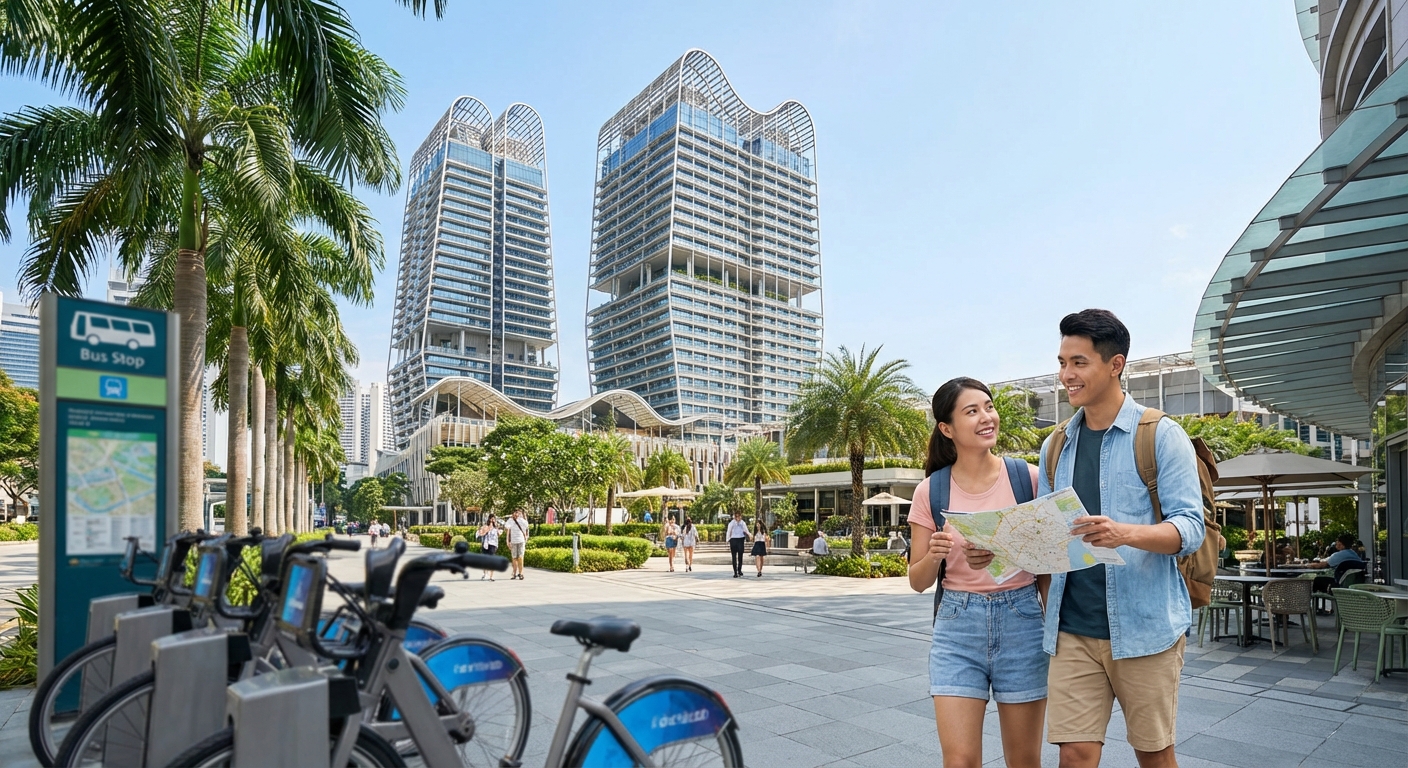
Singapore has a reputation for being expensive, but you don’t need deep pockets to enjoy this vibrant city. With some smart planning and insider knowledge, you can experience the best of what Singapore offers without draining your wallet. The trick is knowing where to look and what to prioritize.
Singapore can be affordable with the right approach. Focus on hawker centers for meals, use public transport exclusively, visit free attractions like Gardens by the Bay’s outdoor gardens, stay in hostels or budget hotels, and time your visit during off-peak seasons. These strategies can cut your daily spending by 60% or more compared to typical tourist expenses.
Where to eat without breaking the bank
Food is one area where Singapore truly shines for budget travelers. Hawker centers are your best friend here. These open-air food courts serve authentic local dishes at prices that seem almost too good to be true.
A satisfying meal at a hawker center typically costs between $3 and $5. You’ll find everything from chicken rice to laksa, char kway teow to roti prata. The quality rivals many restaurants charging five times as much.
Top hawker centers for budget eating:
- Maxwell Food Centre (Chinatown)
- Lau Pa Sat (near the financial district)
- Old Airport Road Food Centre (Geylang)
- Tiong Bahru Market (residential neighborhood)
- Chomp Chomp Food Centre (Serangoon Gardens)
Breakfast is especially cheap. A plate of kaya toast with soft-boiled eggs and coffee at a kopitiam (traditional coffee shop) costs around $3. This traditional breakfast keeps you full until lunch without the hotel buffet price tag.
Supermarkets like FairPrice and Sheng Siong sell ready-made meals, sandwiches, and snacks at reasonable prices. A filling meal from the hot food section costs $4 to $6. Some locations have seating areas where you can eat comfortably.
“Skip the tourist restaurants in shopping malls. The same dishes cost 3 to 4 times more than at hawker centers, and locals will tell you the hawker version often tastes better.”
Getting around for less
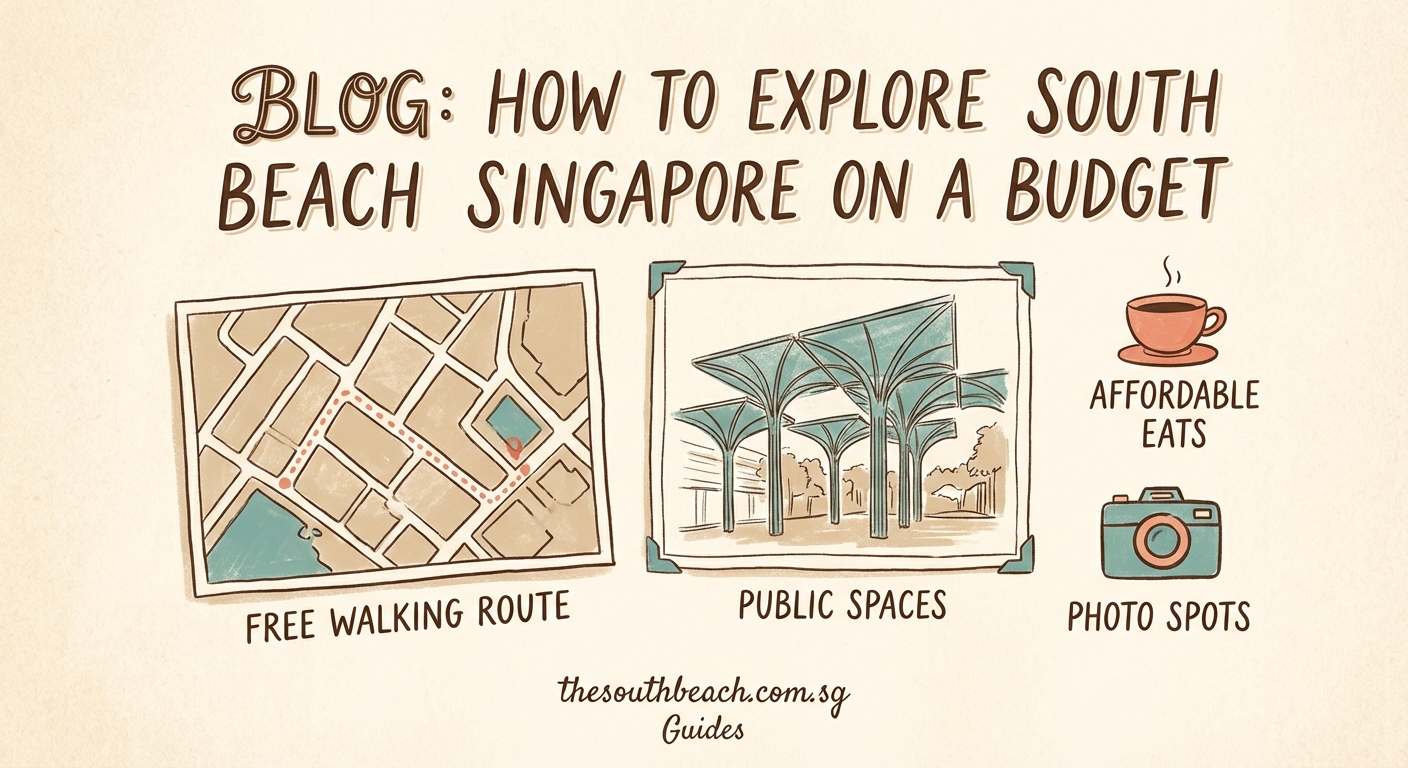
Public transport in Singapore is efficient, clean, and incredibly affordable. The MRT (Mass Rapid Transit) and bus network covers virtually every corner of the island.
A single MRT trip costs between $0.80 and $2.50 depending on distance. Buses are similarly priced. Compare this to taxis, where even short rides start at $5 and can easily reach $15 to $20.
Your transport savings plan:
- Get an EZ-Link card or use a contactless credit card for automatic fare deductions.
- Download the MyTransport app to plan routes and check schedules.
- Walk between nearby attractions to save even more and see neighborhood details.
- Avoid peak hours (7:30 to 9:30 AM and 5:30 to 7:30 PM) when trains get crowded.
- Use the free shuttle buses at Sentosa instead of the paid Sentosa Express.
Walking is genuinely pleasant in Singapore once you learn to navigate the covered walkways and air-conditioned malls connecting major areas. Many attractions cluster together, making foot travel practical.
The city is also bike-friendly in certain areas. Apps like SG Bike and Anywheel offer rental bicycles for around $1 per hour. This works well for exploring East Coast Park or the park connectors.
Free attractions that don’t feel free
Singapore offers numerous attractions that cost nothing but deliver memorable experiences. These aren’t second-rate options either. Many rank among the city’s top sights.
Gardens by the Bay charges for the conservatories, but the outdoor gardens, Supertree Grove, and nightly light show are completely free. The light and sound display at 7:45 PM and 8:45 PM is spectacular.
The Botanic Gardens, a UNESCO World Heritage Site, charges nothing for entry. You can spend hours wandering through themed gardens, spotting wildlife, and enjoying the peaceful atmosphere. Only the National Orchid Garden inside requires a ticket.
Chinatown, Little India, and Kampong Glam offer rich cultural experiences without admission fees. Walk through colorful streets, visit temples and mosques (dress modestly), browse markets, and soak in the atmosphere.
Free attractions worth your time:
- Marina Bay waterfront and Merlion Park
- Changi Airport Jewel (even if you’re not flying)
- MacRitchie Reservoir TreeTop Walk
- Fort Canning Park and its historical sites
- Henderson Waves bridge at sunset
- Haw Par Villa (quirky statues and mythology)
Museums often have free admission during specific hours. The National Museum of Singapore offers free entry for permanent galleries from 7 PM to 9 PM on Fridays. The Asian Civilisations Museum and National Gallery Singapore have similar promotions.
Accommodation strategies that work
Accommodation typically eats up the largest chunk of any travel budget. Singapore has options across all price ranges, but you need to know where to look.
Hostels in Singapore are clean, safe, and social. Dorm beds in well-rated hostels cost $20 to $35 per night. Many include breakfast, free WiFi, and common areas perfect for meeting other travelers.
Budget hotels and capsule hotels offer private space for $50 to $80 per night. These provide basic amenities without frills. Locations slightly away from tourist centers cost less while remaining accessible by MRT.
Accommodation comparison:
| Option | Price Range | Best For | Booking Tip |
|---|---|---|---|
| Hostel dorm | $20-35/night | Solo travelers, social atmosphere | Book directly for better rates |
| Capsule hotel | $40-60/night | Privacy on a budget | Check reviews for cleanliness |
| Budget hotel | $60-80/night | Couples, light sleepers | Stay near MRT stations |
| Airbnb room | $35-70/night | Local experience | Read reviews carefully |
| Hotel (3-star) | $90-130/night | Comfort seekers | Book off-peak seasons |
Neighborhoods like Geylang, Lavender, and Bugis offer better value than Marina Bay or Orchard Road. You’re still within 15 minutes of major attractions by MRT, but paying significantly less.
Booking during off-peak months (February, June, September, November) can save 30% to 40% on accommodation. Avoid major holidays, Formula 1 race week, and school vacation periods when prices spike.
Timing your visit matters
When you visit Singapore affects your budget almost as much as where you stay or eat. Peak tourist seasons see higher prices across accommodation, flights, and even some attractions.
The best budget travel months are February, May, June, September, and November. Weather remains warm year-round, so you’re not sacrificing comfort. You might encounter brief afternoon showers, but these cool things down and rarely last long.
Chinese New Year (late January or February) drives prices up and closes many shops and restaurants. The F1 Grand Prix in September causes hotel rates to triple in certain areas. School holidays in June and December bring crowds and higher costs.
Money-saving timing tips:
- Fly midweek (Tuesday or Wednesday) for cheaper airfares
- Book accommodation at least 6 weeks ahead for better rates
- Visit paid attractions on weekday mornings when they’re less crowded
- Shop at supermarkets in the evening for discounted ready-made meals
- Use happy hour specials (5 PM to 8 PM) if you want to try nicer restaurants
Many attractions offer early bird or online booking discounts. The Singapore Zoo, for example, charges less for tickets purchased online in advance. The savings add up when visiting multiple paid attractions.
Shopping without overspending
Singapore is a shopping paradise, but retail therapy can destroy a budget fast. The key is knowing where locals shop versus where tourists get directed.
Mustafa Centre in Little India operates 24/7 and sells everything at local prices. You’ll find electronics, clothes, groceries, and souvenirs without the tourist markup. The place is chaotic but authentic.
Neighborhood markets like those in Chinatown and Bugis Street offer souvenirs and gifts at negotiable prices. Don’t accept the first price. Polite bargaining is expected and can save you 20% to 30%.
For clothes and everyday items, Uniqlo, Cotton On, and local chains like Charles & Keith offer quality at reasonable prices. Major sales happen during the Great Singapore Sale (June to July) and year-end holidays.
Avoid airport shopping unless absolutely necessary. Prices at Changi Airport are higher than city stores, despite the tax-free claims. The duty-free savings rarely offset the base price markup.
Making the most of your budget
Smart budgeting isn’t about deprivation. It’s about spending money where it matters most to you and cutting costs elsewhere.
Set a daily budget and track spending for the first few days. This helps you understand where money goes and adjust accordingly. Apps like Splitwise or even a simple notes app work fine.
Prioritize experiences over things. A $15 entry to the ArtScience Museum creates lasting memories. A $15 souvenir t-shirt sits in your closet unworn. Choose experiences that align with your interests rather than checking boxes on a tourist list.
Mix free and paid attractions. If you splurge on the Singapore Zoo one day, balance it with free activities the next day. This rhythm prevents budget burnout while ensuring you don’t miss must-see sights.
Hydration costs add up. Tap water in Singapore is safe to drink. Carry a refillable water bottle instead of buying bottled water at $2 to $3 each. Many malls and attractions have water fountains.
Daily budget breakdown for reference:
- Accommodation (hostel): $25
- Food (3 meals at hawker centers): $12
- Transport (MRT/bus): $8
- One paid attraction: $15
- Snacks and drinks: $5
- Total: $65 per day
This budget allows for comfortable travel without constant penny-pinching. Adding $10 to $15 daily gives room for an occasional nicer meal or extra attraction.
Smart money management
Currency exchange rates matter more than many travelers realize. Avoid exchanging money at airports or hotels where rates are poor and fees are high.
Licensed money changers in shopping districts like Lucky Plaza (Orchard Road) or The Arcade (Raffles Place) offer competitive rates without commission fees. Compare rates at 2 to 3 changers before exchanging.
Credit cards work almost everywhere in Singapore. Using a card with no foreign transaction fees saves the 2% to 3% that most cards charge. Check your card benefits before traveling.
ATMs are abundant and generally safe to use. Withdraw larger amounts less frequently to minimize ATM fees. Your bank likely charges a flat fee per withdrawal, so one $200 withdrawal costs the same as four $50 withdrawals.
Keep some cash for hawker centers and small shops that don’t accept cards. Having $20 to $30 in small bills makes life easier and prevents the awkwardness of trying to pay for a $3 meal with a $50 note.
Weather and what to pack
Singapore’s tropical climate means you need minimal clothing. Pack light to avoid checked baggage fees and make moving around easier.
The weather stays consistently warm (25°C to 32°C) and humid year-round. Brief afternoon thunderstorms are common but usually pass within an hour. Pack a compact umbrella or lightweight rain jacket.
Essential items that save money:
- Refillable water bottle
- Comfortable walking shoes (you’ll walk a lot)
- Light, breathable clothes
- Sunscreen (expensive in Singapore)
- Power adapter (UK-style three-pin plugs)
- Small daypack for daily outings
Leave fancy clothes at home unless you have specific plans requiring them. Casual dress works for most situations. Even nice restaurants rarely enforce strict dress codes in Singapore’s heat.
Laundry services at hostels and budget hotels cost $5 to $8 per load. Alternatively, hand wash small items in your accommodation sink. The climate means clothes dry overnight.
Staying connected affordably
Internet access is crucial for maps, transport apps, and restaurant reviews. Fortunately, Singapore makes this easy and cheap.
Free WiFi blankets most of the city through the Wireless@SG network. Shopping malls, MRT stations, libraries, and many public spaces offer free access. Register once with your phone number and you’re set for your entire trip.
If you need constant connectivity, tourist SIM cards cost $12 to $20 for a week of data. Changi Airport has multiple providers competing for business, so prices stay reasonable. A 100GB data plan for 7 days costs around $15.
Most hostels and hotels include free WiFi. Download offline maps and key information while connected, then rely on WiFi hotspots throughout the day.
Apps worth downloading before you arrive include Google Maps, MyTransport (for public transit), GrabFood (for food delivery deals), and Klook (for discounted attraction tickets).
Making every dollar count
Budget travel in Singapore isn’t about suffering through a bare-bones experience. It’s about making informed choices that stretch your money further.
The city rewards travelers who do a bit of research. That hawker center locals recommend delivers better food at a fraction of restaurant prices. The free light show at Gardens by the Bay rivals paid attractions anywhere else.
Start each day with a plan but stay flexible. Some of the best experiences come from wandering through neighborhoods, stumbling into local markets, or chatting with friendly Singaporeans who share insider tips.
Track your spending for the first few days to understand your patterns. You might find you’re perfectly happy eating hawker food for every meal, freeing up budget for that one splurge experience you really want.
Singapore’s compact size works in your favor. Everything is accessible. You’re never more than an hour from any attraction. This efficiency means less time and money spent on transport and more time actually enjoying yourself.
Remember that budget travel creates its own adventures. Staying in hostels means meeting fellow travelers. Eating at hawker centers puts you alongside locals. Taking buses instead of taxis lets you see neighborhoods you’d otherwise miss.
The memories you create don’t correlate with money spent. That $3 plate of chicken rice from a legendary hawker stall might become your favorite meal of the trip. The sunset you watched for free from Marina Barrage might be the moment you remember most vividly.
Singapore proves that thoughtful travel beats expensive travel every time. With these strategies in your back pocket, you’re ready to experience this incredible city without the financial stress that holds so many travelers back.