 By eric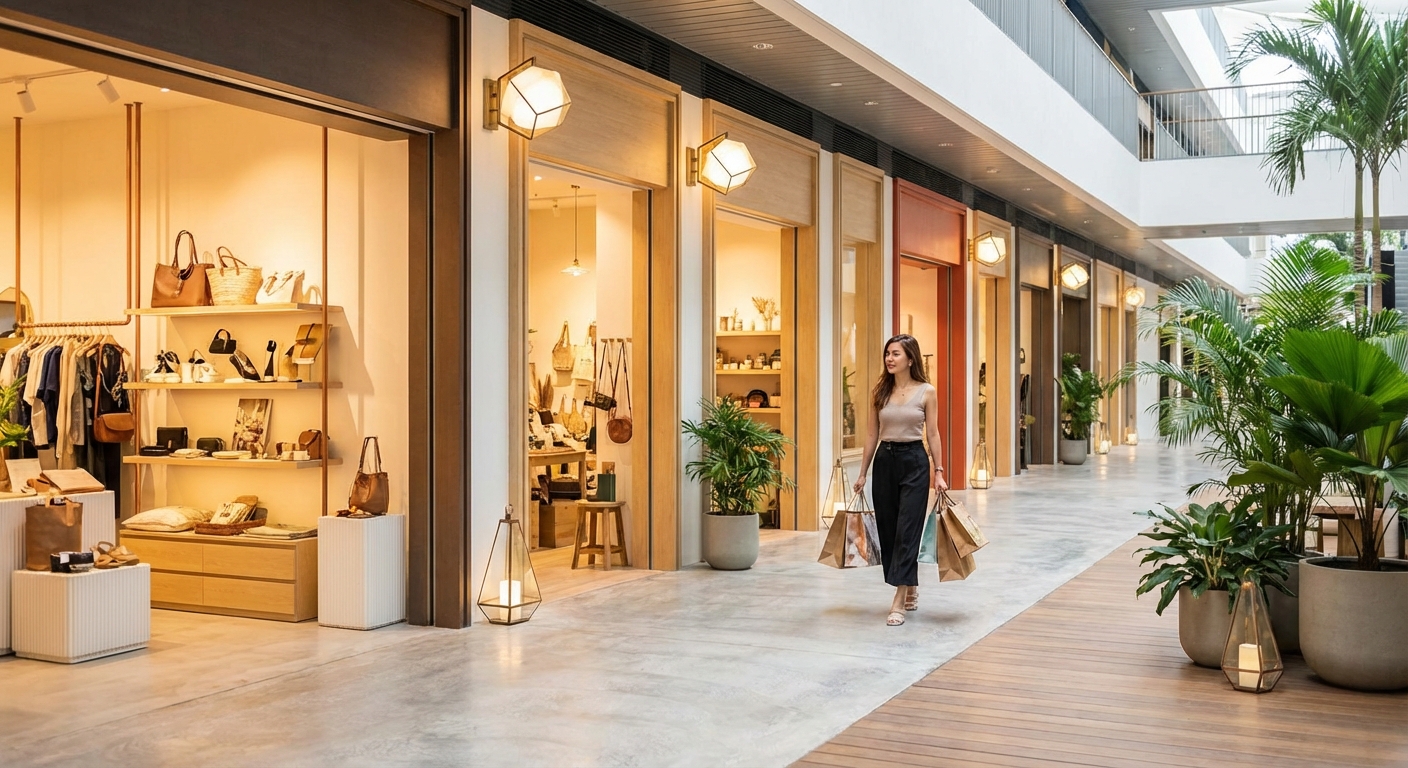
You’re walking down Ocean Drive, dodging selfie sticks and overpriced souvenir shops, wondering if there’s more to shopping in South Beach Miami than airbrushed t-shirts and generic beachwear. There is. Behind the neon lights and tourist crowds, South Beach hides a collection of boutiques, vintage stores, and local shops that most visitors never find.
Shopping in South Beach Miami extends far beyond the typical tourist strips. The neighborhood’s hidden boutiques, vintage shops, and local designer stores offer authentic finds from Cuban-inspired fashion to art deco collectibles. Smart shoppers focus on Lincoln Road’s side streets, the Española Way district, and Washington Avenue’s local gems, typically visiting weekday mornings to avoid crowds and score better deals on everything from handmade jewelry to vintage swimwear.
Where locals actually shop in South Beach
Most tourists stick to Ocean Drive and Collins Avenue. That’s exactly why you shouldn’t.
The real shopping happens on the quieter blocks. Washington Avenue between 5th and 15th Streets houses independent boutiques that have survived decades of development. These shops cater to Miami residents, not cruise ship passengers on four-hour shore excursions.
Lincoln Road Mall gets all the attention, but the parallel streets hold better treasures. Meridian Avenue and Jefferson Avenue run one block north and south of the main pedestrian mall. Rent costs less there, so independent retailers can afford to stay in business. You’ll find consignment shops, local designers, and specialty stores that would get priced out of prime mall frontage.
Española Way, that charming Mediterranean-style pedestrian street between 14th and 15th, transforms from restaurant row into a weekend market. Local artisans sell handmade goods, jewelry, and art. It’s touristy, yes, but the vendors are actual Miami artists, not drop-shippers selling mass-produced items.
How to shop South Beach like a Miami local
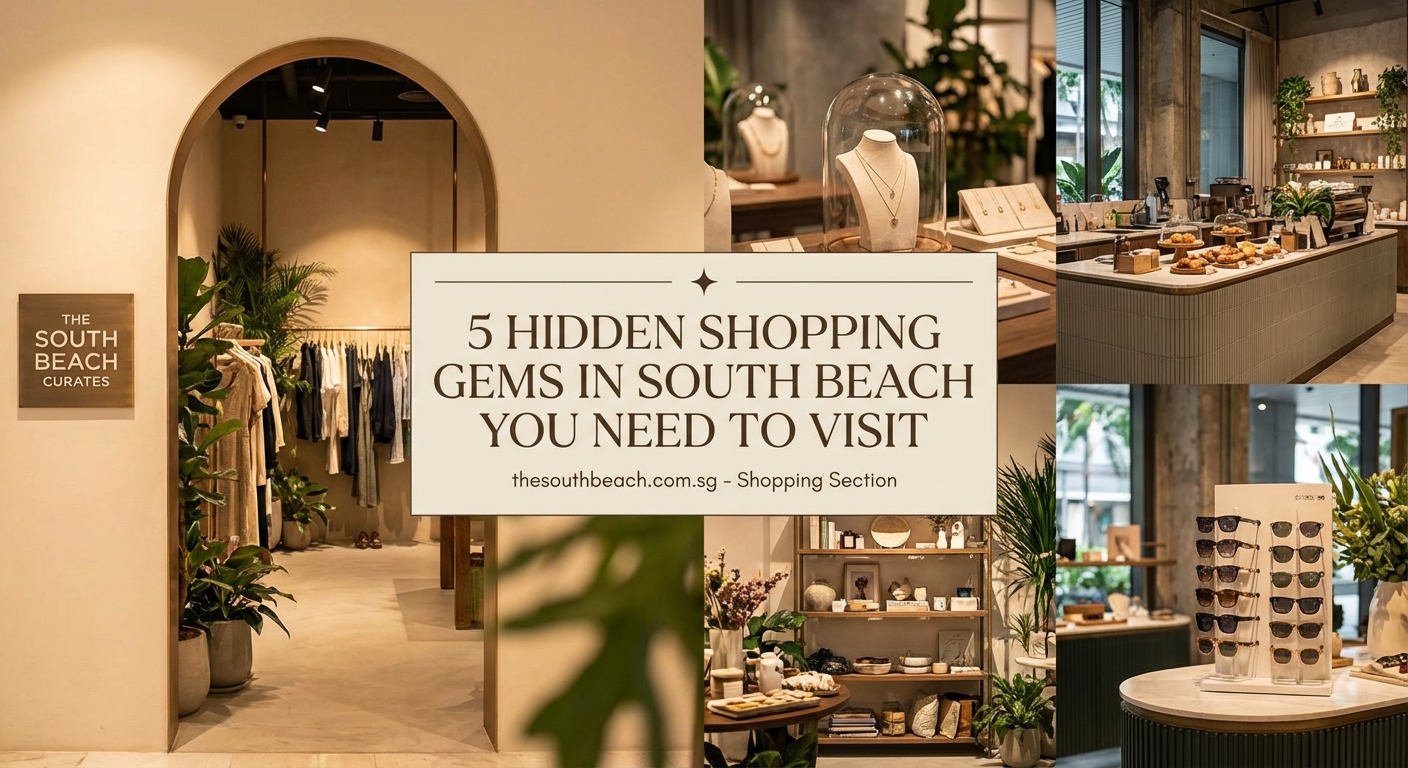
Follow this approach to find the best stores and avoid wasting time in tourist traps.
-
Start your shopping before 11 AM on weekdays. Stores open around 10 or 11, and you’ll have them nearly to yourself. Weekend afternoons bring crowds that make browsing impossible.
-
Walk the residential blocks between commercial strips. Many boutiques occupy converted Art Deco buildings on streets like Drexel Avenue and Pennsylvania Avenue. These locations keep overhead low and prices reasonable.
-
Ask shop owners for recommendations. Miami’s independent retail community is tight-knit. A boutique owner on Lincoln Road will happily direct you to a vintage shop on Washington Avenue if they don’t carry what you need.
-
Carry cash for smaller shops and market vendors. Many boutiques accept cards, but street vendors and pop-up shops often prefer cash and might offer better prices for it.
-
Check store hours before you go. Independent shops in South Beach keep irregular schedules. A boutique might close Mondays and Tuesdays, or shut down for a few weeks when the owner travels for buying trips.
“The best shopping in South Beach happens in stores without Instagram accounts. If a shop has 50,000 followers, it’s probably already discovered. Look for the places with hand-painted signs and irregular hours. That’s where you’ll find things you can’t buy anywhere else.” — Maria Gonzalez, Miami vintage dealer since 1998
The South Beach shopping districts you need to know
Understanding the neighborhood’s shopping zones saves hours of aimless wandering.
Lincoln Road Mall runs from Washington Avenue to Alton Road as a pedestrian-only street. Chain stores dominate the eastern blocks near Washington, but independent boutiques cluster on the western end past Meridian. Sundays bring an antiques and collectibles market with 20 to 30 vendors.
Washington Avenue serves as South Beach’s main north-south commercial corridor. Between 5th and 8th Streets, you’ll find vintage clothing stores, record shops, and art galleries. The 700 block (between 7th and 8th) has the highest concentration of independent retailers.
Collins Avenue from 5th to 21st Streets mixes high-end hotel shops with local boutiques. The ground floors of Art Deco hotels often house small specialty stores selling resort wear, swimwear, and accessories. These shops pay premium rent, so prices run higher, but quality tends to match.
Española Way between 14th and 15th Streets transforms into a weekend artisan market. Friday through Sunday, local makers set up tables selling jewelry, paintings, ceramics, and handmade clothing. Weekday visits let you browse the permanent shops without market crowds.
Sunset Harbour technically sits just north of South Beach proper, but it’s a 10-minute walk from Lincoln Road. This residential neighborhood along Purdy Avenue and West Avenue hosts boutiques, home goods stores, and specialty shops that cater to Miami residents rather than tourists.
What to buy and what to skip
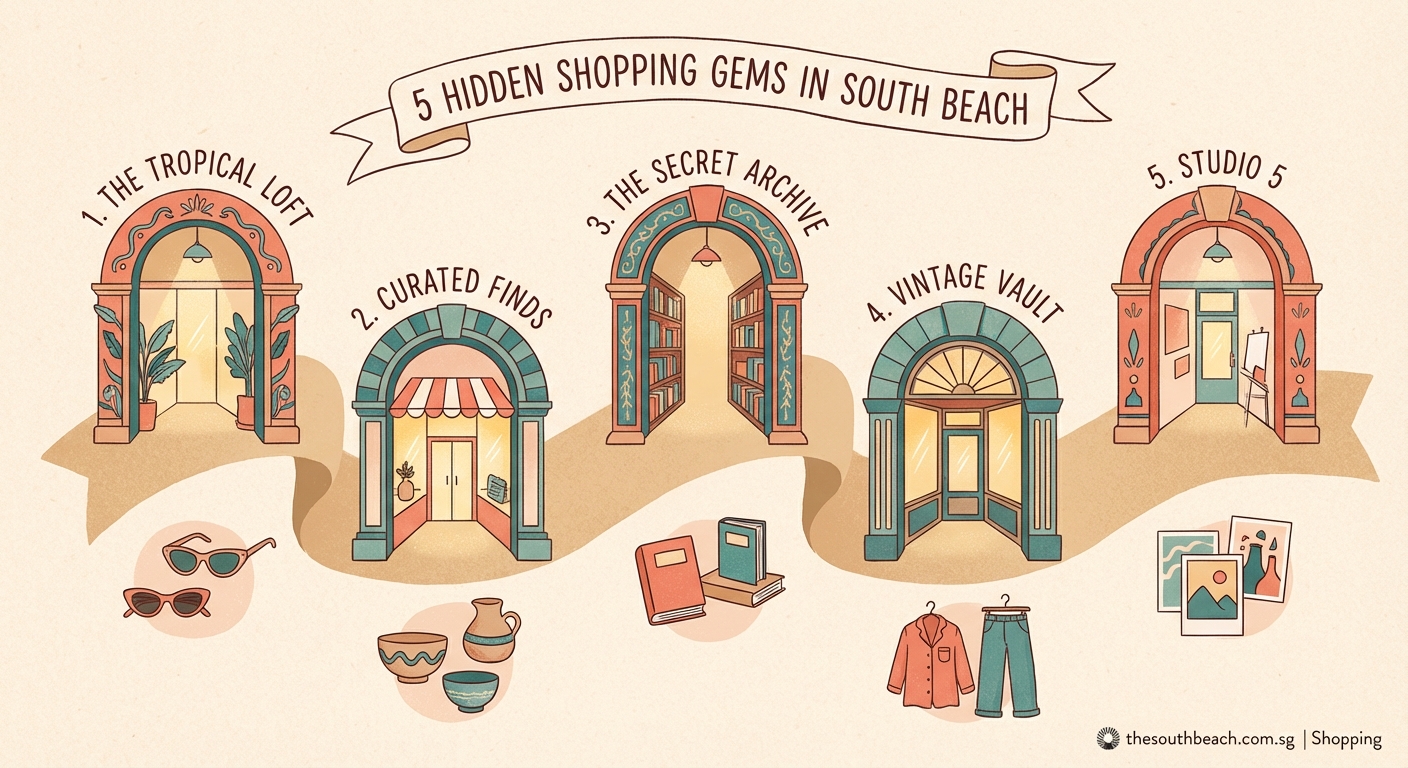
Not everything in South Beach is worth your money or luggage space.
Worth buying
- Vintage swimwear and resort wear from the 1950s through 1980s. Miami’s climate preserves fabrics well, and local vintage shops stock incredible collections of retro beachwear.
- Cuban-inspired fashion from local designers. Several boutiques feature clothing and accessories that blend traditional Cuban aesthetics with modern Miami style.
- Art Deco collectibles including vintage hotel ashtrays, matchbooks, postcards, and small decorative items. These authentic pieces cost far less than reproductions sold in museum shops.
- Locally made jewelry featuring shells, coral (sustainably sourced), and tropical motifs. Artisan jewelers in South Beach create pieces you won’t find in chain stores.
- Vinyl records from Miami’s Latin music scene. Several shops specialize in salsa, mambo, and Cuban jazz recordings.
Better bought elsewhere
- Generic beachwear with “Miami” or “South Beach” printed on it. You’re paying tourist markup for items made overseas.
- Sunglasses and sunscreen from hotel shops or beachfront vendors. Prices run 200 to 300 percent higher than pharmacies two blocks inland.
- Mass-market fashion brands available nationwide. If you can buy it at your local mall, don’t waste vacation time shopping for it in Miami.
- “Art galleries” that are actually poster shops. Real galleries show original work with certificates of authenticity and artist bios.
Shopping strategies that save money and time
Smart shoppers use these techniques to maximize their South Beach retail experience.
| Strategy | How it works | Common mistakes to avoid |
|---|---|---|
| Morning shopping | Visit stores between 10 AM and noon on weekdays | Assuming everything opens at 9 AM like malls |
| Cash negotiation | Carry small bills for market vendors and small shops | Trying to negotiate at established boutiques with posted prices |
| End-of-season sales | Shop in late March and late September for 40-60% discounts | Expecting winter clothing sales in a tropical climate |
| Local recommendations | Ask hotel concierges and restaurant servers where they shop | Taking recommendations from beach vendors or tour guides |
| Neighborhood hopping | Budget 30 minutes per district, move on if nothing appeals | Spending entire afternoon in one disappointing area |
The cash negotiation strategy works best at weekend markets and with independent vendors. A boutique with a modern point-of-sale system and printed price tags won’t negotiate, but a vendor at the Española Way market selling handmade items often will, especially if you’re buying multiple pieces.
End-of-season sales in South Beach don’t follow traditional retail calendars. Summer resort wear goes on sale in late September when tourist numbers drop. Winter inventory (yes, Miami stores stock some warmer clothes for northern visitors) gets marked down in late March.
Hidden gems most tourists miss
These specific shops and areas fly under the radar but deliver authentic South Beach shopping experiences.
The Alley is not an official name, but locals call the service alley behind Lincoln Road buildings between Meridian and Drexel “The Alley.” Several boutiques have back entrances there, and a few shops exist only in this space. You’ll find vintage furniture, used books, and occasionally pop-up art shows.
SoBe Hostel’s ground floor on Washington Avenue hosts a rotating collection of vendors selling handmade goods, local art, and vintage clothing. The hostel encourages entrepreneurial travelers to set up temporary shops, creating an ever-changing retail environment.
The residential blocks of Flamingo Park neighborhood, particularly around 12th Street and Michigan Avenue, have several home-based boutiques. Designers and vintage collectors operate by appointment or during posted hours from their Art Deco apartments. You’ll need to research these online or get recommendations from other shops.
Sunday morning vintage markets pop up in various locations. The most consistent happens in the parking lot at 7th and Washington, but others appear seasonally. These aren’t advertised to tourists, so you’ll need to ask around or watch for hand-painted signs on Saturday evenings.
After spending a perfect afternoon at South Beach, many visitors return to these hidden spots for serious shopping without the pressure of trying to see everything in one trip.
Best times to shop by season and day
Timing your shopping trips makes a massive difference in South Beach.
Winter season (December through March) brings the biggest crowds and highest prices. Stores stock their best inventory, but you’ll compete with thousands of other shoppers. If you must shop during peak season, go Monday through Wednesday mornings.
Spring (April and May) offers the sweet spot. Tourist numbers drop significantly, but stores still maintain full inventory. Many boutiques run sales to clear winter stock. Weather stays beautiful, making walking between shops pleasant.
Summer (June through September) sees the lowest prices and smallest crowds. Miami locals do most of their shopping during these months. However, many independent boutiques reduce hours or close for vacation. Call ahead to confirm hours.
Fall (October and November) brings moderate crowds and fresh inventory for the upcoming winter season. Prices haven’t hit peak-season levels yet, and stores are fully staffed and stocked.
Day of week matters more than season for avoiding crowds. Saturday and Sunday afternoons from noon to 5 PM bring impossible crowds to Lincoln Road and Collins Avenue. Tuesday and Wednesday mornings offer the most relaxed shopping experience.
Time of day affects both crowds and shop owner availability. Morning shoppers get better service because owners and experienced staff work opening shifts. After 3 PM, many shops employ part-time workers who may not know inventory as well.
What to know before you shop
Practical information that prevents frustration and wasted time.
-
Parking costs add up fast. Street parking runs $2 to $4 per hour with two-hour limits. City garages charge $3 per hour or $20 to $30 for all-day parking. Consider using ride-share to avoid parking hassles.
-
Sales tax in Miami Beach is 7%. The price on the tag is not the price you pay. Budget accordingly, especially for larger purchases.
-
Return policies vary wildly among independent boutiques. Many vintage and consignment shops offer store credit only, no refunds. Always ask about returns before buying.
-
Fitting rooms in smaller boutiques may be minimal or shared. Some shops have only a curtained corner. Wear clothes that make trying things on easier.
-
Authenticity concerns are real in South Beach. If you’re buying designer items, even from seemingly legitimate shops, ask for authentication paperwork. Counterfeit goods circulate in the market.
-
Shipping services are available at most hotel concierge desks if you buy more than you can carry. Several boutiques also offer shipping, though they typically use the service as a profit center with marked-up rates.
The luxury boutiques near South Beach Singapore operate quite differently from Miami’s South Beach shops, but both neighborhoods share the challenge of distinguishing authentic retailers from tourist traps.
How to spot tourist traps versus authentic shops
Learning to identify genuine local retailers saves money and disappointment.
Red flags for tourist traps:
- Aggressive employees who follow you around the store
- Prices without tags or with handwritten tags that seem negotiable
- Merchandise that looks identical to items in the shop next door
- Heavy focus on logo items and branded souvenirs
- Location directly on Ocean Drive or Collins Avenue at major intersections
- Signs advertising “duty free” or “tax free” shopping (Miami has no duty-free shopping outside the airport)
Green flags for authentic local shops:
- Staff who greet you but let you browse independently
- Clearly marked prices on tags or shelves
- Unique merchandise you haven’t seen in other stores
- Owner or long-term staff who can tell you about products
- Location on side streets or upper floors
- Active social media showing behind-the-scenes content and local customers
- Participation in neighborhood events and collaborations with other local businesses
The most reliable indicator is asking locals. Restaurant servers, hotel desk staff (not concierges who may get commissions), and people you meet at coffee shops will tell you honestly which stores they actually patronize.
Making the most of your shopping budget
Stretching your dollars while still getting quality items requires strategy.
Start by setting a realistic budget before you begin shopping. South Beach’s mix of high-end boutiques and affordable vintage shops can tempt you into overspending. Decide how much you’ll allocate for clothing, accessories, art, and miscellaneous items.
Use the “cost per wear” calculation for clothing and accessories. A $200 linen shirt you’ll wear 50 times costs $4 per wear. A $40 novelty t-shirt you’ll wear twice costs $20 per wear. Buy items that work with your existing wardrobe and lifestyle.
Take advantage of multi-item discounts at vintage and consignment shops. Many offer 10 to 20 percent off when you buy three or more items. This works especially well for smaller accessories and jewelry.
Compare prices across multiple shops before buying. If you see something you love, note the price and shop name, then continue browsing. You might find something similar for less, or you might confirm the original item was fairly priced.
Consider shipping costs in your budget. If you buy heavy or bulky items like art or vintage furniture, shipping to your home might cost more than the item itself. Factor this in before purchasing.
Beyond the boutiques
Shopping in South Beach Miami extends beyond traditional retail stores.
Estate sales happen regularly in South Beach’s historic apartment buildings. These sales offer authentic Art Deco furniture, vintage clothing, and collectibles at reasonable prices. Check local classifieds and estate sale websites for upcoming events.
Flea markets pop up seasonally in various locations. The biggest happens at the Miami Beach Convention Center several times per year, featuring hundreds of vendors selling antiques, vintage items, and collectibles.
Art walks on the second Saturday of each month along Lincoln Road and in the Art Deco District let you meet artists and buy directly from creators. Prices are often better than gallery purchases, and you can commission custom work.
Sample sales from Miami-based fashion designers happen year-round but concentrate in September and March. Follow local fashion bloggers and boutiques on social media to learn about these events, which offer 50 to 80 percent discounts on current-season items.
Private shopping appointments are available at many boutiques if you call ahead. This service works well if you have specific needs or want undivided attention from knowledgeable staff. Most shops don’t charge for appointments, though they appreciate serious buyers rather than browsers.
If you’re planning a longer stay, you might want to check out how to explore South Beach Singapore on a budget for ideas on maximizing your time and money in another South Beach destination.
Bringing your finds home
Getting your purchases back home safely requires some planning.
Packing strategies depend on what you bought. Vintage clothing benefits from being rolled rather than folded to prevent creases. Wrap breakable items like ceramics or glassware in clothing for padding. Save shopping bags from boutiques as they often have reinforced handles and sturdy construction.
Luggage considerations matter if you shopped heavily. Most airlines charge $30 to $35 for a checked bag. If your purchases exceed that value, checking an extra bag makes financial sense. Alternatively, ship items home, though this typically costs more than checked baggage.
Customs declarations are required if you’re returning to the US from international travel or if you’re an international visitor leaving the US. Keep receipts for all purchases over $100. US residents can bring back $800 worth of goods duty-free after international trips.
Insurance for valuable purchases is worth considering. If you bought expensive jewelry, art, or designer items, photograph them and keep receipts. Check if your homeowner’s or renter’s insurance covers items purchased while traveling.
Authenticity documentation should travel with you, not in checked luggage. If you bought designer items with certificates of authenticity, keep these papers in your carry-on. You may need them for insurance claims or future resale.
Your South Beach shopping game plan
Shopping in South Beach Miami rewards preparation and flexibility. Start with the neighborhoods that match your interests. Love vintage fashion? Focus on Washington Avenue. Prefer contemporary local designers? Lincoln Road’s side streets are your target. Want art and collectibles? The Art Deco District and weekend markets deliver.
Give yourself time. Rushing through South Beach’s shopping scene means missing the best finds. Plan at least half a day, ideally a full day, to properly experience the neighborhood’s retail offerings. Break up shopping with meals at local cafes and restaurants to recharge.
Stay flexible with your shopping list. You might arrive looking for resort wear and leave with vintage jewelry and Art Deco prints. The best South Beach shopping experiences happen when you remain open to unexpected discoveries.
Remember that shopping here is about more than acquiring things. It’s about connecting with Miami’s creative community, understanding the neighborhood’s history through its vintage offerings, and supporting independent retailers who keep South Beach interesting. The t-shirt shops and chain stores will always be there. The independent boutique run by a local designer for 15 years might not be.
Pack comfortable walking shoes, bring a reusable shopping bag, carry water, and leave your preconceptions behind. The best shopping in South Beach Miami happens when you wander off the main strips and trust your instincts about which doors to open.